

Copyright is a crucial aspect of the music industry, and understanding it is vital for anyone looking to create content on platforms like YouTube. Simply put, copyright is a legal protection that grants creators exclusive rights to their original works, which includes music. This means that if you use someone else's music without permission, you could face serious legal consequences.
Here are some key points to understand about copyright in music:
- What is Copyright? Copyright is a law that protects the use of original works, ensuring that the creator can control how their work is sold or distributed.
- Duration of Copyright: Generally, copyright lasts for the life of the creator plus 70 years. However, this can vary based on when the piece was created and other factors.
- What Rights Does Copyright Include? Copyright holders have exclusive rights to reproduce, distribute, perform, display, and create derivative works based on their original music.
- Fair Use: While there are some exceptions known as 'fair use,' these can be tricky to navigate, especially in regard to music and how it's used in a video.
- Music Licensing: To legally use copyrighted music, you typically need to pay for a license or permission from the copyright holder.
Neglecting to understand copyright can lead to your videos being muted, taken down, or worse yet, your channel facing legal action. Thus, being well-informed about these rights is essential for any YouTube creator.
The Importance of Using Licensed Music
Now that we grasp the essence of copyright, let's dive into why using licensed music is so important, especially for YouTube creators. When you use licensed music, you are not only respecting the rights of the original creators, but you are also protecting yourself and your content.
Here are a few reasons why using licensed music is paramount:
- Avoiding Legal Issues: The most significant reason is to avoid legal battles. Using unlicensed music can result in copyright strikes, fines, or even the removal of your content.
- Monetization: If you plan to monetize your videos, you must use music that you have the rights to. Copyrighted music can prevent you from earning revenue from your channel.
- Professionalism: Licensed music can enhance the quality of your videos, providing a professional touch that can engage your audience.
- Variety of Options: There are plenty of platforms offering licensed music, including royalty-free music libraries, subscription services, and even direct licenses from artists themselves.
Many creators overlook the importance of licensed music, thinking that a small segment might go unnoticed. However, YouTube's content ID system is designed to detect and flag copyrighted material, so it’s simply not worth the risk. When you choose licensed music, you’re not just following the rules; you’re valuing the art of music and the efforts of those who create it. So take the time to find the perfect licensed track for your masterpiece.
Also Read This: Is It Possible to Download Blocked YouTube Videos?
Exploring Royalty-Free Music Options
When diving into the world of YouTube videos, one of the crucial elements to consider is the music. Royalty-free music is a fantastic option for creators looking to elevate their content without falling into the trap of copyright infringement. But what exactly is royalty-free music? Simply put, it’s music that you can use without having to pay royalties for each use. Sounds great, right?
Here’s what you need to know about finding and using royalty-free music:
- Where to find it: There are countless platforms where you can download royalty-free music. Some popular options include:
- AudioJungle
- PremiumBeat
- Artlist
- Bensound
- Incompetech
- Read the License Agreements: Not all royalty-free music is created equal. Always check the licensing terms. Some may allow unlimited use, while others might restrict you to certain types or contexts.
- Consider the Style: The music you choose should match the tone of your video. There’s a vast library of genres, so take your time to find the perfect fit.
By opting for royalty-free music, you can save yourself from potential copyright troubles and enhance the overall viewing experience for your audience. It’s a win-win!
Also Read This: How to Verify Copyrighted Content on YouTube Before Uploading
Using Creative Commons Music Safely
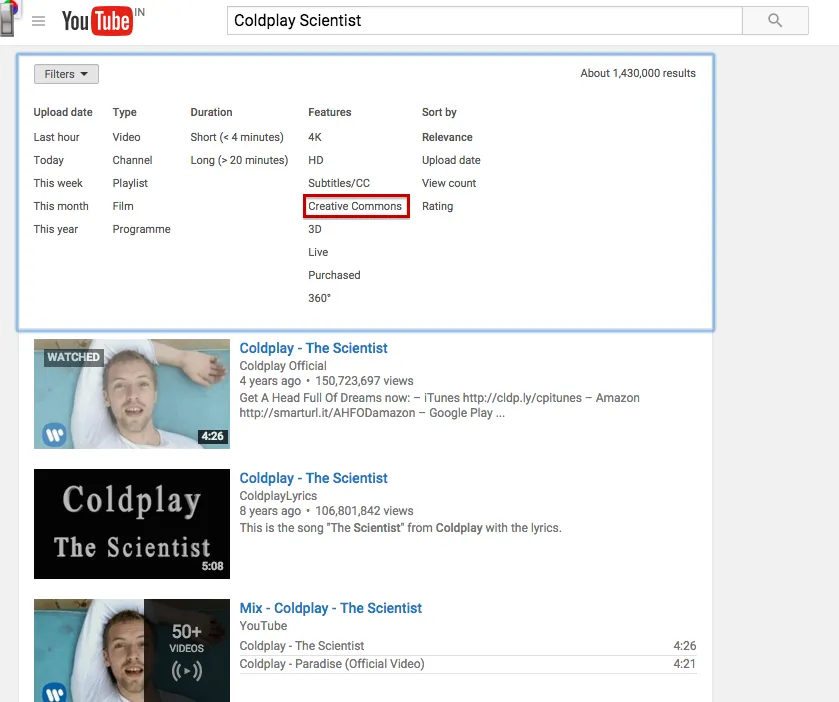
Creative Commons (CC) music offers a unique way for creators to utilize music legally without worrying much about copyright issues. This type of music is often provided by artists who want to share their work freely with proper attribution. However, it’s vital to understand the different CC licenses to use it safely.
Here’s a breakdown of how to use Creative Commons music effectively:
- Types of Licenses: Familiarize yourself with the various CC licenses. Some common ones include:
- CC BY: You can use the music as long as you credit the creator.
- CC BY-SA: Similar to CC BY, but you must share any derivative works under the same license.
- CC BY-ND: You can use the music, but not modify it.
- CC BY-NC: Use is allowed for non-commercial purposes only.
- Attribute Properly: When you use CC music, always give proper credit. This usually includes the title of the song, the artist’s name, and a link to the license.
- Check the Source: Use trusted platforms to find CC music. Websites like Free Music Archive, SoundCloud, and Jamendo are great starting points.
Using Creative Commons music can be a fantastic tool for YouTube creators. Just remember to respect the artists’ rights and the rules of the licenses, and you’ll be set for success.
Also Read This: How to Use Twitter Lists to Organize Your Followers and Maximize Engagement
How to Find Music on YouTube Audio Library
If you're looking to spice up your YouTube videos with some catchy tunes, the YouTube Audio Library is your best friend! It's an incredible resource for creators, offering a wide array of music tracks and sound effects that you can use for free. Here’s how to access and navigate this treasure trove:
- Access the Library: Start by logging into your YouTube account and go to YouTube Studio. From the left sidebar, click on “Audio Library.” Easy-peasy!
- Filter Your Search: The library features various categories. You can filter music by genre, mood, instrument, duration, and whether it's copyright-free. This makes it simple to find the perfect track that complements your video’s vibe!
- Listen Before You Download: Each track has a play button. Take a moment to listen and see if it fits your project. You can also shuffle through tracks to discover hidden gems.
- Attribution Requirements: While many tracks in the library are free to use without attribution, some do require you to give credit to the artist. Make sure to read the usage rights clearly before selecting a track!
- Download and Use: Once you’ve found a track you love, hit the download button. Now, you can incorporate that music directly into your video editing software without worrying about copyright strikes.
Using the YouTube Audio Library not only helps you avoid copyright issues but also elevates your video content's quality. So get exploring and discover the perfect soundtrack for your next creation!
Also Read This: Is Subscribing on YouTube Free
Obtaining Music Licenses from Publishers
If you're seeking well-known tracks or specific songs that are not available in royalty-free libraries, obtaining a music license from publishers is essential. This process can seem daunting, but with a little guidance, you can navigate it like a pro. Here’s how you can do it:
- Research the Song: First, identify the song you’d like to use and find out who holds the rights. This could be the songwriter, publisher, or record label. Websites like ASCAP and BMI can help you track down this information.
- Understand the Licensing Types: There are various licenses available, such as synchronization licenses for video use. Ensure you know which type you need for your specific purpose. Here’s a simple breakdown:
- Contact the Publisher: Once you’ve pinpointed the rights holder, reach out via email or their website. Be clear about your intentions, including how the song will be used, the duration, and the type of license you desire.
- Negotiate Terms: Publishers may have specific terms regarding usage, including costs and distribution. Be prepared to negotiate and discuss your budget.
- Get Everything in Writing: Once an agreement is reached, ensure you get a written contract outlining the terms of the license. This protects both parties and ensures clarity about the usage rights granted.
| License Type | Purpose |
|---|---|
| Synchronization License | Required for pairing music with visual content |
| Master Use License | Needed if using a specific recording of the song |
Securing music licenses may require effort, but it opens up a wealth of possibilities for your videos, keeping you safe and sound from any copyright pitfalls!
Consequences of Copyright Infringement
Copyright infringement occurs when someone uses copyrighted material without permission from the owner. This is particularly critical for creators on platforms like YouTube, where there are strict policies and systems in place to protect intellectual property. The consequences of copyright infringement can be severe and can affect both individual creators and businesses significantly.
Here are some key consequences of copyright infringement:
- Video Removal: If a copyright owner files a complaint, YouTube may remove the video in question, resulting in loss of views and engagement.
- Strikes Against Your Channel: Repeated copyright infringements can lead to strikes against your channel, which might jeopardize your channel’s standing and future monetization opportunities.
- Monetization Restrictions: If you use copyrighted music without permission, you may lose the ability to monetize your videos, as ads may be disabled on those videos.
- Legal Action: Copyright owners have the right to take legal action against infringers, which can result in financial penalties and further legal repercussions.
- Damage to Reputation: Being flagged for copyright infringement can harm your reputation in the online creator community, leading to mistrust from audiences and potential collaborators.
To avoid these consequences, it's essential to understand copyright laws and seek proper licensing or use royalty-free music in your creations. By being proactive and respectful of copyright, you can protect your channel and foster a positive creative environment.
```