

Diastasis Recti is a common condition that many people, particularly women post-pregnancy, face. It occurs when the abdominal muscles separate along the midline, creating a noticeable gap. If you’ve been struggling with this issue for years and haven’t found a solution, don’t worry! With the rise of online resources, especially YouTube, there are effective tips and techniques available to help you address this condition. In this post, we’ll dive into what Diastasis Recti is and how you can work towards fixing it using simple, accessible methods.
Understanding the Condition
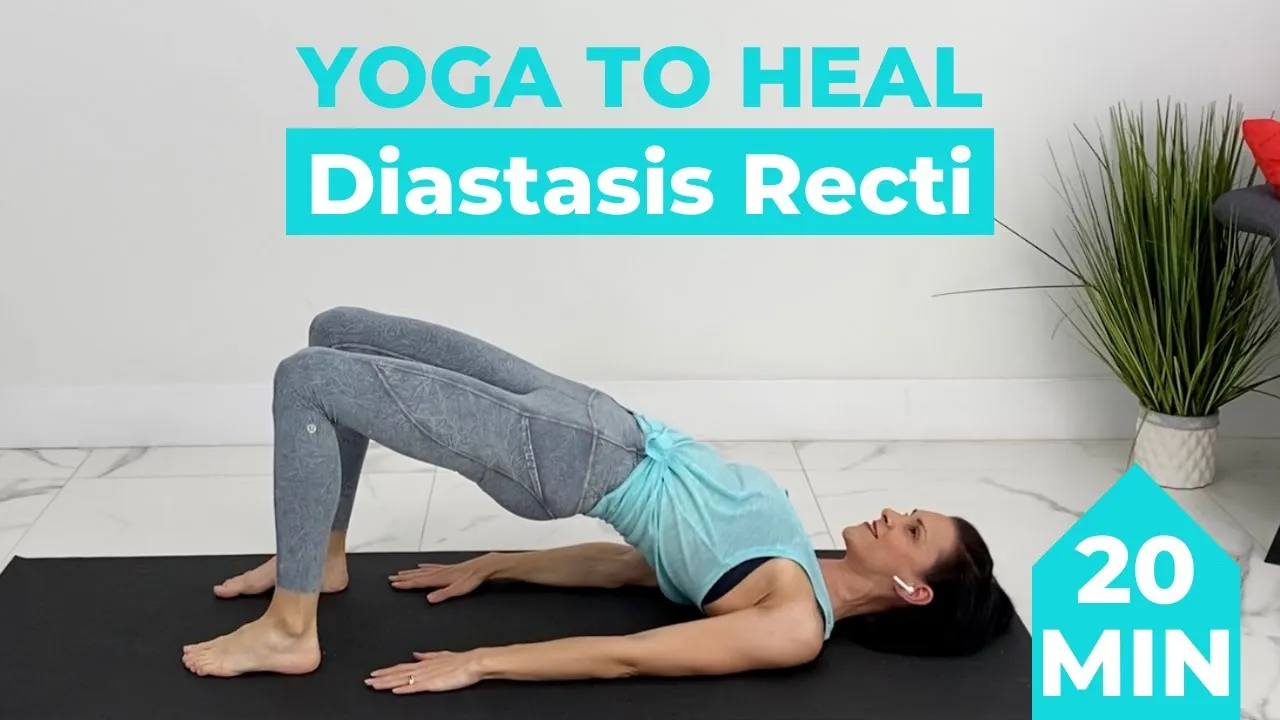
So, what exactly is Diastasis Recti? Let’s break it down. This condition typically impacts the rectus abdominis, which is the muscle that runs vertically down the front of your abdomen. When this muscle weakens or stretches—often due to pregnancy, obesity, or heavy lifting—the connective tissue may become lax, leading to that infamous bulge or gap. Here are some key points to consider:
- Causes: The main culprits include pregnancy, weight gain, aging, and certain exercises that put excessive strain on the abdominal muscles.
- Symptoms: Look out for a protruding belly, lower back pain, or difficulty performing basic movements like sit-ups.
- Diagnosis: A simple self-test involves lying on your back, lifting your head, and feeling for a gap above your belly button.
Understanding Diastasis Recti is the first step toward recovery. It's not just about aesthetics; it can also lead to functional issues in your core stability. By addressing this condition, you’ll not only improve your appearance but also enhance your overall strength and well-being.
Also Read This: Using Adobe Stock Photos for Your Commercial and Personal Projects
Common Causes and Symptoms
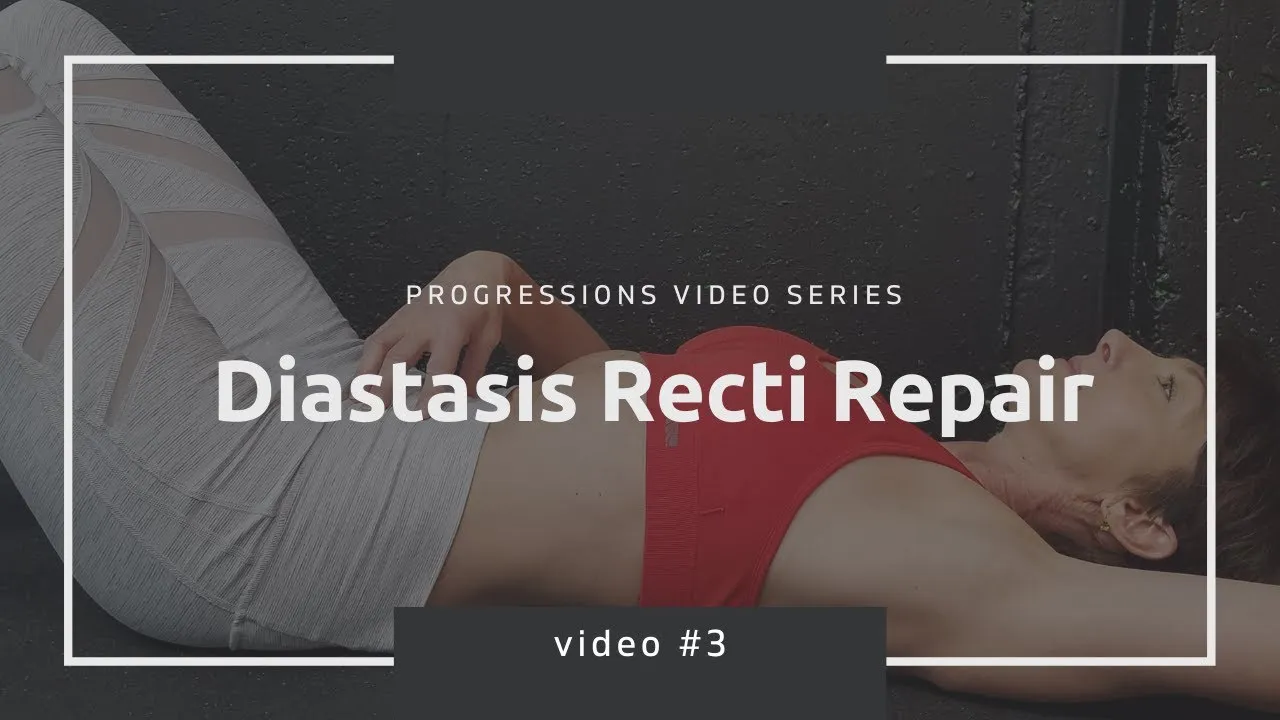
Diastasis recti is a condition that many people, especially women post-pregnancy, experience. It occurs when the rectus abdominis muscles, which run vertically down the middle of your abdomen, separate due to various reasons. Understanding the common causes and symptoms can help you identify if you’re dealing with this issue.
Common Causes:
- Pregnancy: The most prevalent cause. As the uterus expands, it stretches the abdominal muscles.
- Obesity: Extra weight can put strain on the abdominal wall, leading to separation.
- Improper Exercise: Engaging in high-impact or core workouts without the right techniques can worsen the condition.
- Aging: As we age, our muscles naturally lose strength and elasticity.
- Genetics: Some people may be predisposed to muscle separation due to their family history.
Common Symptoms:
- Bulging Belly: A noticeable protrusion in the middle of the abdomen, especially when engaging muscles.
- Back Pain: Weak core muscles can lead to poor posture and back discomfort.
- Difficulty with Physical Activities: Tasks like lifting heavy objects or certain exercises may become challenging.
- Pelvic Floor Issues: You might experience urinary incontinence or pelvic pain.
Also Read This: Why 123RF Is Ideal for Creating Social Media Posts
Benefits of Using YouTube for Learning
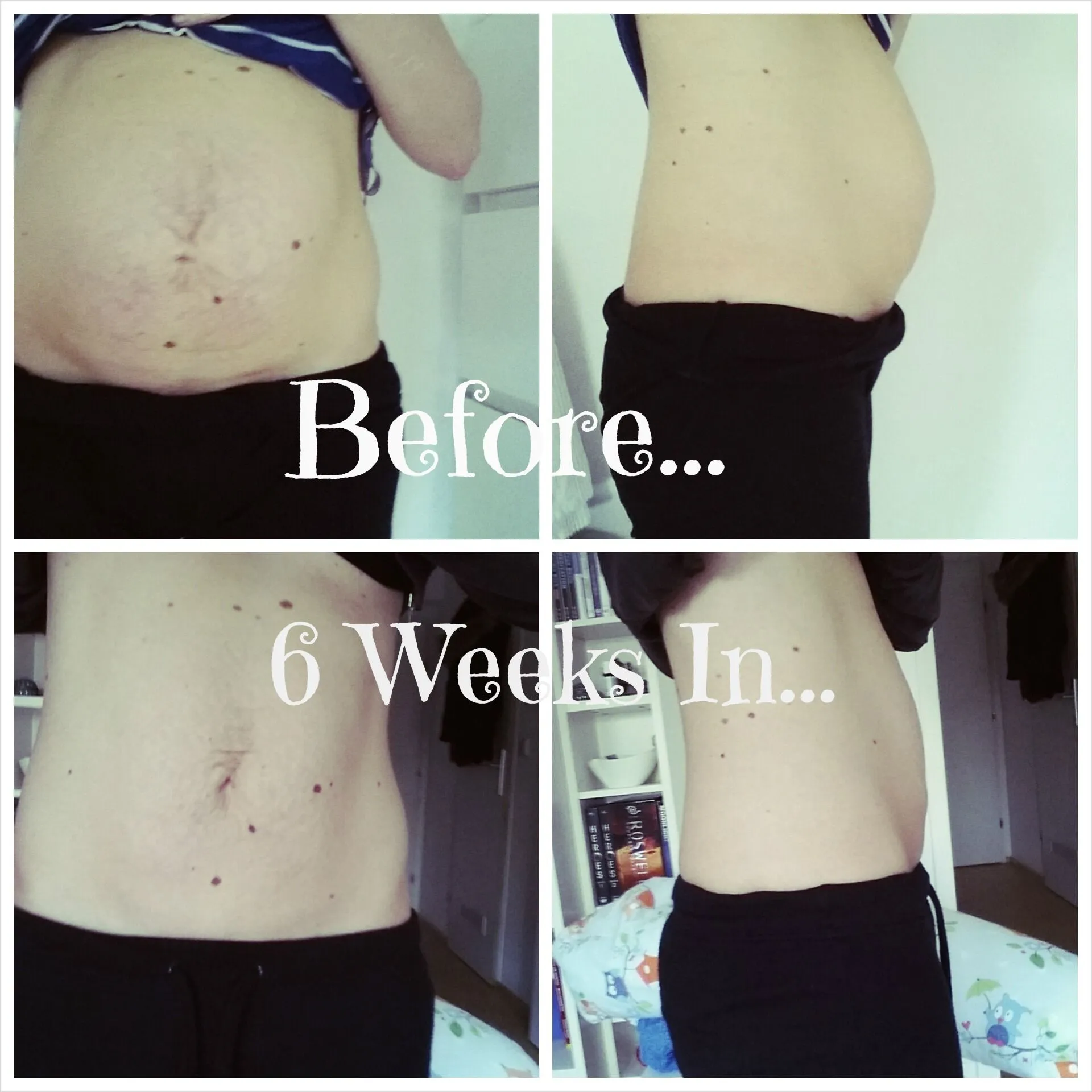
YouTube has transformed the way we learn new skills, including how to fix diastasis recti. It's a treasure trove of information, offering a variety of resources at your fingertips. Here are some fantastic benefits of turning to YouTube for this specific purpose:
Accessibility: You can access countless videos anytime, anywhere. Whether you’re at home or on the go, learning is just a tap away.
Visual Learning: Seeing exercises demonstrated can be much more helpful than just reading about them. YouTube provides visual cues that can enhance your understanding of proper techniques.
Diverse Content: From professional physiotherapists to passionate fitness enthusiasts, you can find a plethora of instructors with different styles and methods. This variety ensures you can find someone whose approach resonates with you.
Community Support: Many channels have dedicated communities. Engaging with other viewers can provide motivation, additional tips, and shared experiences that foster a sense of belonging.
Free Resources: The majority of videos on YouTube are free, making it a cost-effective way to access expert advice and instructional content without breaking the bank.
In summary, YouTube offers an incredible platform to learn about fixing diastasis recti with ease, providing both information and community support. So, get ready to dive in and explore!
Also Read This: Simple Ways to Incorporate Your Own Music from YouTube into WeVideo
Recommended YouTube Channels and Videos
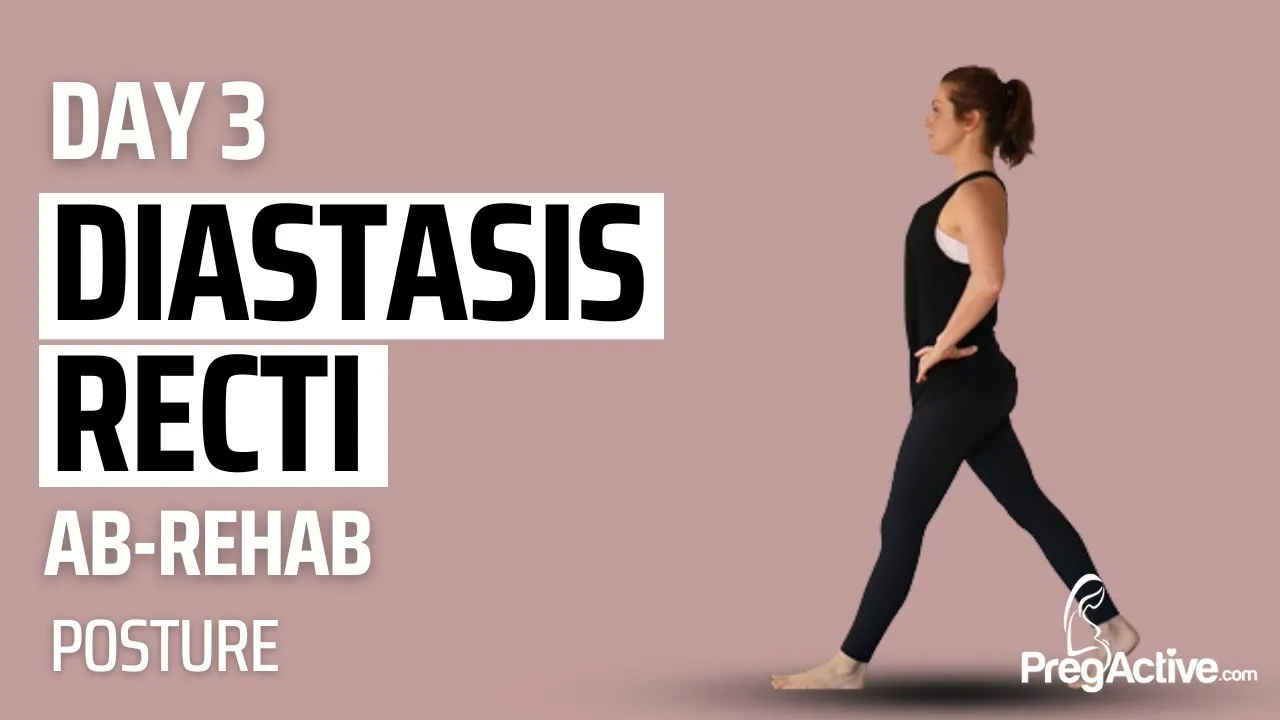
When it comes to fixing diastasis recti, YouTube can be a goldmine of information! There are countless channels dedicated to fitness, rehabilitation, and postpartum care. Here are some top picks that offer effective tips and techniques:
- Mutu System: This channel focuses on core rehabilitation and pelvic floor health. Their videos offer a holistic approach to diastasis recti, focusing on safe exercises and lifestyle tips.
- Physical Therapy Video: A treasure trove of professional advice, this channel features licensed physical therapists demonstrating exercises specifically designed for diastasis recti recovery.
- Diastasis Recti Support: This channel is solely dedicated to diastasis recti. They provide a series of videos discussing how to assess your condition and guiding you through targeted exercises.
- Jessica Valant Pilates: Jessica offers a variety of pilates workouts that are gentle yet effective for core strengthening without straining the abdominal muscles.
Make sure to check out specific videos like "Healing Diastasis Recti" by the Mutu System or "Diastasis Recti Exercises" by Physical Therapy Video. These videos will walk you through the process step-by-step.
Also Read This: Comprehensive Guide to Fortiguard Downloader Bundle Datasheets
Techniques and Exercises to Try
Once you've found the right resources, it’s time to get moving! Here are some effective techniques and exercises that can help you tackle diastasis recti:
| Exercise | Description |
|---|---|
| Pelvic Tilts | Gently flatten your back against the floor and tilt your pelvis upward. This engages your core without straining your abdomen. |
| Heel Slides | While lying on your back, slide one heel out while keeping your core engaged. This helps in building control without excessive pressure on your abdomen. |
| Modified Plank | Start on all fours, and gradually extend one leg back while keeping your core tight. Focus on maintaining alignment to avoid straining. |
| Dead Bug | Lie on your back, raise your arms and legs, and alternate lowering them while keeping your core stable. This exercise improves core strength effectively. |
Incorporate these exercises into your routine, aiming for consistency. Always listen to your body and consult with a professional if you experience pain. Happy healing!
Also Read This: Canva Image Part Removal
7. Additional Tips for Success
Fixing diastasis recti, especially years after it has developed, can feel like a daunting task. However, with the right mindset and strategies, you can make significant progress. Here are some additional tips to keep in mind:
- Stay Consistent: Consistency is key when working on diastasis recti. Aim to incorporate exercises into your daily routine. Even short, focused sessions can be incredibly effective.
- Focus on Breath: Proper breathing techniques can greatly affect your core strength. Practice diaphragmatic breathing, which engages your core effectively.
- Prioritize Alignment: Pay attention to your posture during exercises. Keeping your pelvis and spine aligned helps prevent further separation of your abdominal muscles.
- Incorporate Core Stability Work: Include additional core stability exercises such as planks, bird-dogs, or dead bugs. These can help improve muscle function without straining your abdomen.
- Be Patient: Healing takes time. Celebrate small victories, and don’t get discouraged if you don't see immediate results.
- Stay Hydrated: Proper hydration supports muscle function and recovery. Drinking enough water is crucial during your journey.
By following these additional tips, you can enhance your progress and support your body as you work to fix diastasis recti.
Also Read This: Mastering LinkedIn Groups for Effective Lead Generation
8. When to Seek Professional Help
While many people successfully address diastasis recti through self-guided techniques and YouTube resources, there are times when seeking professional help is essential. Here are some signs it might be time to reach out:
- Severe Pain: If you're experiencing significant pain during exercises or daily activities, it's crucial to consult a healthcare provider.
- Limited Progress: If you've been consistently working on your diastasis recti for several months without noticeable improvements, a professional can assess your situation and tailor a plan just for you.
- Functional Issues: If you're noticing difficulties with basic movements, like bending or lifting, or if you’re experiencing incontinence or pelvic pain, these are signs you should seek help.
- Postpartum Concerns: New moms should consider consulting a physical therapist specializing in postpartum care, especially if they've had a complicated delivery.
- Desire for Personalized Guidance: If you feel overwhelmed by the abundance of online information, a professional can help streamline your approach and give you customized advice.
Remember, seeking help is a sign of strength and shows your commitment to your health. Don’t hesitate to reach out to a qualified professional if you feel it's necessary!
How to Fix Diastasis Recti Years Later with YouTube Tips and Techniques
Diastasis recti is a condition characterized by the separation of the abdominal muscles, often occurring during and after pregnancy. Many individuals struggle with this condition for years, not realizing that effective solutions are available online. YouTube is a treasure trove of resources that can help you understand and address diastasis recti, no matter how long it has been since you first noticed the separation.
Here are some key tips and techniques you can find on YouTube to help fix diastasis recti:
- Understanding Diastasis Recti: Start with videos that explain the anatomy of your core and the mechanics of diastasis recti. This foundational knowledge is crucial.
- Gentle Core Exercises: Look for beginner-friendly exercises designed to strengthen the transverse abdominis without putting additional strain on the abdominal wall. Recommended exercises include:
| Exercise | Description |
|---|---|
| Pelvic Tilts | Gently engages the core while stabilizing the pelvis. |
| Modified Planks | Strengthens the core without excessive pressure on the abdomen. |
| Knees-to-Chest | Promotes core engagement while reducing tension on the abdominal muscles. |
- Breathing Techniques: Learn techniques that help engage your core muscles effectively, such as diaphragmatic breathing.
- Posture and Alignment: Videos focused on proper posture can significantly affect core strength and recovery.
- Consistency and Patience: Follow instructors who emphasize the importance of gradual progress and consistency in your practice.
In conclusion, YouTube offers a wealth of knowledge and practical techniques for fixing diastasis recti, even years after the condition develops. By being patient and consistent with the exercises and tips you learn, you can effectively work towards healing and strengthening your core. Remember, every small step counts, and with dedication, you can reclaim your core stability and confidence.