

YouTube has become an essential platform for creators, businesses, and viewers alike. To navigate this vast ocean of content, understanding YouTube metrics is crucial. Metrics help you gauge how well your videos are performing, decide on content strategies, and engage with your audience effectively. Among these metrics, views hold significant importance, but do your own views count? Let's dive into the nitty-gritty of
Understanding YouTube Views
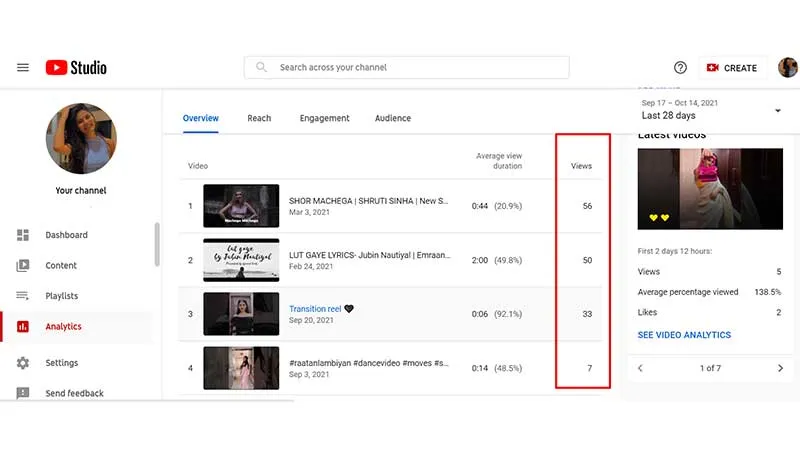
YouTube views represent the number of times your video has been watched. However, not all views are created equal. The platform has specific algorithms and guidelines to determine what counts as a valid view, which can affect how you perceive your content's success. Here’s a breakdown:
- Valid Views: A view is counted when a user watches your video for at least 30 seconds. This ensures that casual clicks don't inflate your metrics.
- Replays: If someone watches your video multiple times, each view is counted as long as they meet the 30-second threshold.
- Bot Views: YouTube employs sophisticated algorithms to detect and filter out views generated by bots or automated systems. So, if you're trying to game the system, think twice!
- Your Own Views: Interestingly, your own views do count, but only if they appear genuine and not excessively repeated in a short time frame. If you’re watching your own video to check engagement or responses, that’s fair play!
Understanding these nuances is vital for any creator. It shapes strategies, helps in analyzing audience engagement, and ultimately, leads to better content creation. So, keep these metrics in mind as you embark on your YouTube journey!
Also Read This: Discovering Your Most Liked YouTube Comment with Ease
The Impact of Self-Views on Video Performance
When you upload a video to YouTube, you might be tempted to watch it repeatedly to check for any mistakes or simply because you're proud of your work. But have you ever wondered if those self-views actually count towards your video's performance? The answer isn't as straightforward as you might think!
Self-views, or views generated by the uploader, are typically not counted in the same way as views from other users. YouTube's algorithms are designed to filter out these views to maintain the integrity of view counts. However, there are some nuances to consider:
- Potential Impact on Analytics: Your own views may influence your video's early analytics, especially if you are engaging with it (liking, commenting).
- Watch Time: While self-views may not count officially, the time you spend watching your own video contributes to the total watch time, an important metric for YouTube's algorithm.
- Engagement Metrics: If you interact with your video, such as leaving comments or liking it, these actions can signal to YouTube that the content is engaging, potentially boosting visibility.
In summary, while your self-views may not officially count towards the total, your engagement can still play a role in how your video performs in the long run. So, keep creating and engaging with your content, but remember to also share it with others!
Also Read This: Using iStock Photos for Mockups What Designers Need to Know
YouTube's Algorithm and Engagement Metrics
YouTube's algorithm is like a secret sauce that determines which videos are recommended to viewers. Understanding how it works can significantly affect your video’s reach and success. Central to this algorithm are various engagement metrics, which are critical indicators of how well your content resonates with your audience.
Here are some key engagement metrics that YouTube considers:
| Metric | Description |
|---|---|
| Watch Time | The total number of minutes viewers spend watching your videos. |
| Click-Through Rate (CTR) | The percentage of people who click on your video after seeing the thumbnail. |
| Likes and Dislikes | These indicate viewer satisfaction and help shape the algorithm’s understanding of your content. |
| Comments | Comments show engagement and can lead to discussions, which the algorithm favors. |
| Shares | The more your video is shared, the more likely it is to reach new audiences. |
In a nutshell, YouTube's algorithm thrives on engagement. The more viewers interact with your video—whether through likes, comments, or shares—the better your chances of getting recommended to a wider audience. So, focus on creating engaging content that sparks conversation and encourages viewers to stick around!
Also Read This: How to Cancel Your Adobe Stock License Effectively
5. Best Practices for Monitoring Your Own Views
When you're diving into the world of YouTube, keeping an eye on your view count is crucial. But how do you do it effectively? Here are some best practices to ensure you're monitoring your own views like a pro:
- Use YouTube Analytics: This built-in tool is your best friend. It provides detailed insights into your video performance. Check metrics like watch time, audience retention, and demographic information to understand who’s watching your content.
- Track Your Trends: Look for patterns over time. Are certain types of videos getting more views? Maybe your tutorials are popular, while vlogs aren’t? Identifying these trends can guide your future content creation.
- Set Up Custom Reports: Tailor your analytics dashboard by creating custom reports. This allows you to focus on the metrics that matter most to you, helping you to make informed decisions quickly.
- Monitor Traffic Sources: Understanding where your views are coming from can help optimize your promotional strategies. Are viewers finding you through search, suggested videos, or social media? This insight can shape your marketing efforts.
- Engage with Your Audience: Comments and interactions can offer qualitative data that numbers alone can’t provide. Ask your viewers for feedback to refine your content further.
By implementing these best practices, you'll not only keep track of your views but also harness valuable insights that can propel your YouTube channel forward.
6. Conclusion: Making Sense of Your YouTube Analytics
As you wrap your head around your YouTube analytics, remember that numbers tell a story. They reveal how well your content resonates with viewers. But interpreting these figures can be daunting. Here’s how to make sense of it all:
- Understand Key Metrics: Focus on crucial metrics like watch time, views, and engagement rate. These numbers help you gauge the effectiveness of your content. For instance, a high watch time indicates that viewers find your videos engaging.
- Compare Performance: Look at how different videos perform relative to one another. Which ones have the highest views or retention rates? This comparison can help you identify what your audience loves.
- Adjust Your Strategy: Don’t be afraid to pivot based on your findings. If analytics show that shorter videos get more views, consider adjusting your content length accordingly.
- Set Goals: Use your analytics to set specific, measurable goals. For example, aim to increase your average view duration by 20% over the next month. This gives you a clear target to work toward.
Ultimately, your YouTube analytics are not just numbers; they are a roadmap to creating better content and growing your channel. Embrace them, learn from them, and let them guide you on your YouTube journey!