

In the world of "Attack on Titan," Zeke Yeager is a character shrouded in complex motivations and beliefs. His actions, particularly the controversial Rumbling, raise the question: Did Zeke truly desire this catastrophic event? To understand Zeke's decision-making, we must delve into his background, upbringing, and the influences that shaped his worldview. This exploration will illuminate the nuances of his character and the depth behind his choices.
Zeke's Background and Early Life
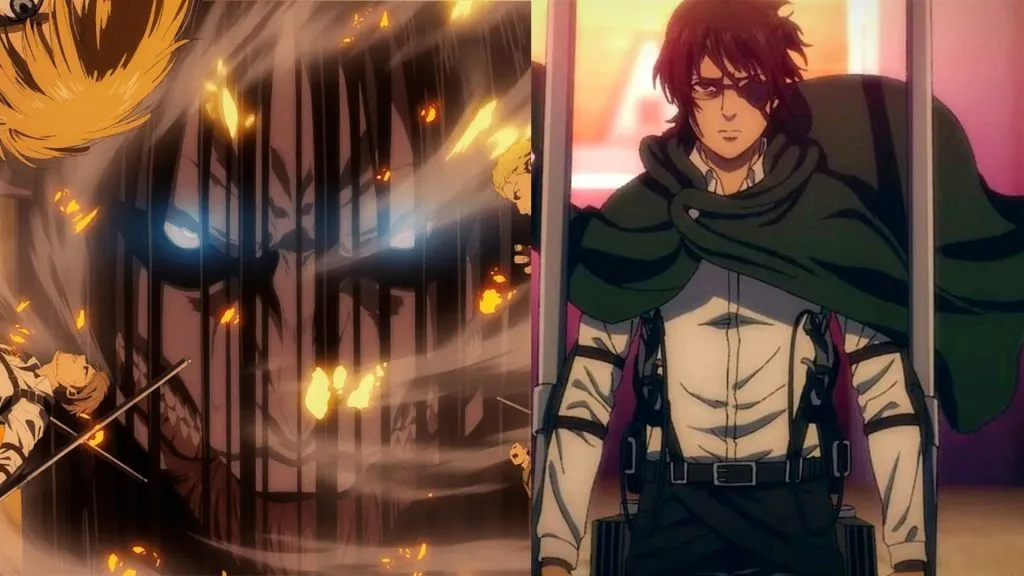
Zeke Yeager’s journey begins in the oppressive environment of Marley, where he was born into the family of Grisha Yeager and Dina Fritz. As a child, Zeke was raised amidst a culture of war and prejudice, where Eldians were seen as devils. This environment profoundly impacted his psyche and shaped his beliefs about freedom and survival.
From a young age, Zeke was burdened with the expectations of his parents, especially Grisha, who had grand dreams of Eldian restoration. The pressure to become a warrior led Zeke to become a child warrior at just 8 years old. Here are some key aspects of his early life:
- Childhood Expectations: Zeke was expected to carry the weight of his parents' aspirations, which created a rift between him and his family.
- Influence of the Marleyan System: Witnessing the discrimination faced by Eldians made Zeke question the morality of both Marley and Eldia.
- Discovery of His Powers: Zeke discovered his Titan-shifting abilities early, which placed him at the center of a larger narrative.
These experiences fostered a sense of disillusionment in Zeke and led to his eventual betrayal of his parents' ideals. Instead of aligning with his father’s revolutionary goals, Zeke sought a different path that he believed would lead to true freedom for his people.
Also Read This: Understanding LinkedIn Advertising Costs
Understanding the Rumbling
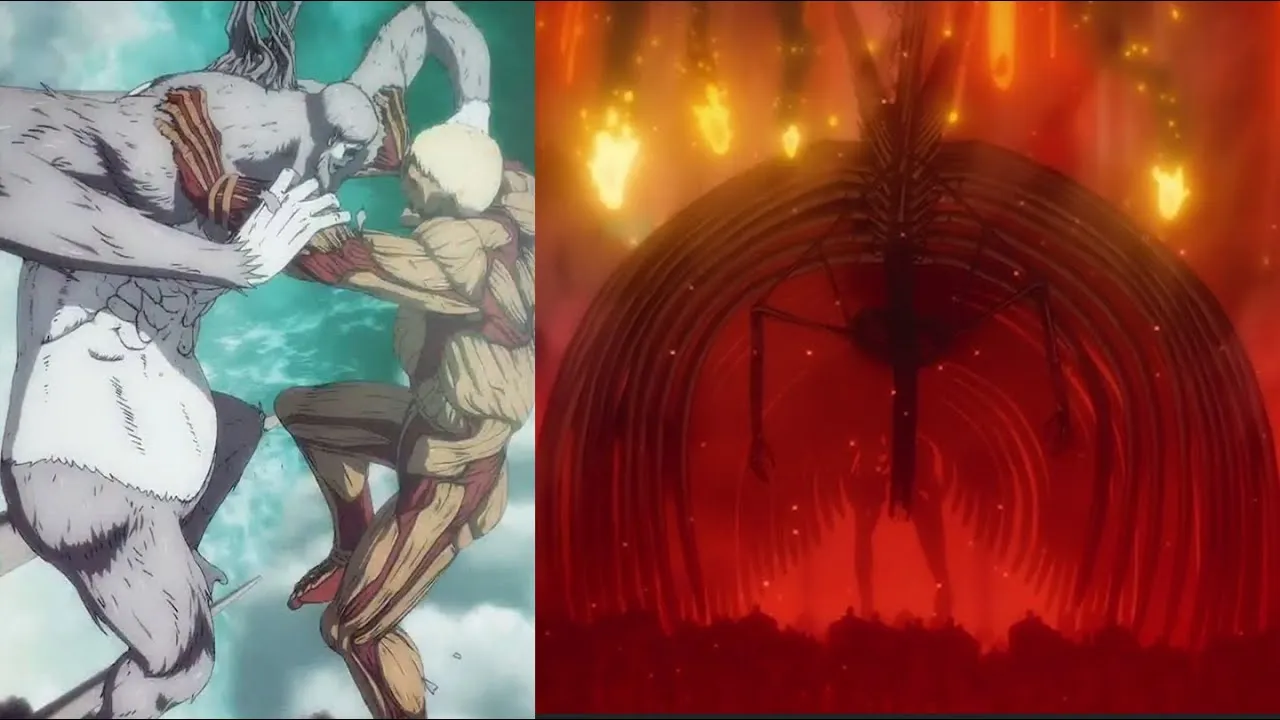
The Rumbling, a pivotal event in "Attack on Titan," is more than just a catastrophic moment; it's deeply intertwined with the series' themes of freedom, survival, and the consequences of choices. At its core, the Rumbling involves awakening the colossal titans dormant within the walls of Paradis Island, unleashing them upon the world to crush humanity outside the walls. But why would Zeke Yeager, a key player in this plan, consider such extreme measures?
To understand the Rumbling, we need to look at the historical context within the series. The Eldians, oppressed and persecuted globally, have lived a life of fear and hatred. Zeke, raised in a world of conflict and manipulation, sees the Rumbling as a way to protect his people, albeit through destruction. Here are some key points that highlight the significance of the Rumbling:
- Revenge against Oppression: Zeke believes that the Rumbling is a form of retaliation against centuries of Eldian suffering.
- Survival Instinct: In Zeke's eyes, if the Eldians don’t act decisively, they risk extinction at the hands of their enemies.
- Ultimate Freedom: Ironically, Zeke views the Rumbling as a path to liberation, believing it will free Eldians from the cycle of hatred.
In essence, the Rumbling represents both a means to an end for Zeke and a grim commentary on the cost of vengeance and survival. It’s a complex event that reflects the series’ exploration of morality, making us question whether the ends truly justify the means.
Also Read This: A Simple Guide to Canceling Orders in ShootProof
Zeke’s Ideology and Beliefs
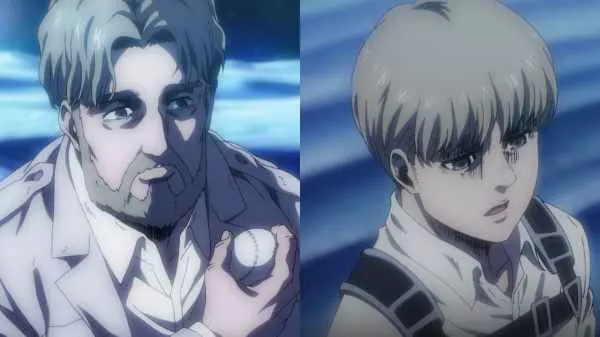
Zeke Yeager is not just a puppet of the Rumbling; his actions are deeply rooted in a complex ideology shaped by his upbringing and experiences. Raised in a tumultuous environment, Zeke's beliefs about Eldians, freedom, and the nature of humanity are crucial to understanding his character.
Central to Zeke's ideology is a profound sense of betrayal and a desire to protect his people. Here are some of the core beliefs that define him:
- Eldian Supremacy vs. Responsibility: Zeke grapples with the weight of Eldian history and the atrocities committed by his ancestors. He believes in addressing this legacy head-on, albeit through drastic means.
- Utilitarianism: He often adopts a utilitarian viewpoint, where the greater good justifies the actions taken, even if they are morally questionable. This mindset leads him to support the Rumbling as a necessary evil.
- Desire for Freedom: Zeke's ultimate goal is to secure freedom for Eldians, even if it means sacrificing countless lives to achieve it. This paradox reveals his internal conflict: the struggle between his humanity and the grim decisions he makes.
In conclusion, Zeke's ideology reflects a tragic blend of hope and despair. His beliefs, formed by a deep-seated need to protect his people, lead him down a dark path. As we analyze Zeke's motivations, we are left with critical questions about the nature of freedom, sacrifice, and the moral complexities inherent in survival.
Also Read This: How to Enable Subtitles on Dailymotion Accessibility Features Explained
Key Moments That Shaped Zeke’s Decisions
Throughout "Attack on Titan," Zeke Yeager's decisions are influenced by pivotal moments that shape his worldview and motivations. Let's dive into some of these key moments:
- Childhood Revelation: Zeke’s early life as a warrior candidate was marked by the heavy expectations placed upon him by his parents, especially Grisha Yeager. When Zeke discovered the truth about the world outside Marley, it ignited a sense of rebellion against his parents' ideals.
- The Betrayal of His Parents: Zeke's decision to betray his parents was monumental. He felt that their desire for freedom was misguided, leading him to align with Marley. This moment solidified his belief that he needed to take control of his own fate.
- Meeting the Warrior Candidates: Zeke’s interactions with fellow warrior candidates, especially with Reiner Braun and Annie Leonhart, helped him understand the complexities of loyalty and duty. These relationships made him question the true cost of power.
- The Revelation of the Founding Titan: Discovering the potential of the Founding Titan deepened Zeke's resolve. He began to see the Rumbling not merely as a tool for destruction but as a means to an end—liberation from oppression.
- Confrontation with Eren: The final showdown with Eren Yeager brought Zeke's beliefs to a head. Facing his once ally forced him to confront his motivations and the consequences of the path he chose.
These moments were not just plot points; they were transformative experiences for Zeke, leading him to embrace a path fraught with moral ambiguity.
Also Read This: How to Sell Images on iStock as a Beginner Contributor
The Role of His Relationships
Relationships play a crucial role in Zeke Yeager's journey. They shape his beliefs and drive his actions in unexpected ways. Let's explore how these connections influenced him:
- Grisha Yeager: Zeke's relationship with his father is complex and foundational. Grisha’s idealism and expectations created a pressure that Zeke rebelled against, ultimately guiding him towards a path of betrayal.
- Dina Fritz: Zeke's mother represented a softer side of his upbringing. Her influence and tragic fate made Zeke more empathetic, fueling his desire to protect those who could not protect themselves.
- Reiner Braun and Annie Leonhart: These friendships offered Zeke a glimpse into the lives of others who were caught in the cycle of war. They taught him the importance of camaraderie but also the heavy burden of duty and loyalty.
- Eren Yeager: Eren's evolution from a friend to a fierce opponent illustrates the shifting dynamics in Zeke's life. Their contrasting beliefs about freedom and destiny highlight Zeke’s internal struggle.
- Ymir Fritz: Zeke’s connection with Ymir, the progenitor of all Titans, is pivotal. Understanding her pain and sacrifice allowed him to frame the Rumbling as a solution to the world's suffering.
In essence, Zeke's relationships shape not only his decisions but also his understanding of freedom, love, and sacrifice in a world torn apart by conflict.
Also Read This: How to Achieve a Million Views on YouTube with Effective Tips and Strategies
7. Contradictions in Zeke’s Character
Zeke Yeager is a character steeped in complexity, and his motivations often appear contradictory. On one hand, he is portrayed as a ruthless strategist, willing to unleash the catastrophic power of the Rumbling. On the other, there are moments that reveal his deep-seated desire for freedom and a better future for Eldians.
For instance, Zeke's early life was marked by the pressure of expectations. Raised in Marley, he was groomed to be a warrior, but he simultaneously felt a profound disconnection from the ideology that surrounded him. This inner conflict is a major contradiction; he was expected to embody Marleyan ideals while secretly wishing for Eldian liberation.
Another contradiction lies in his relationships. Zeke often appears cold and calculating, yet he shows genuine care for his friends and family, particularly his half-brother Eren. This complexity is further highlighted in his interactions with characters like Reiner and Historia, where he oscillates between adversarial and supportive roles.
Furthermore, Zeke's desire for the Rumbling seems to stem from a twisted sense of altruism. He believes that by eradicating humanity outside of Paradis, he can secure peace for his people. This brings us to a crucial question: Is his pursuit of the Rumbling a means to an end, or is it rooted in a deeper need for revenge against a world that has wronged him?
8. Conclusion: Zeke's True Intentions
As we dissect Zeke Yeager's character, it's clear that his intentions are anything but straightforward. Throughout the series, Zeke embodies the struggle between duty and desire, making him a deeply relatable figure. He grapples with the weight of his choices, and his ultimate goal appears to oscillate between achieving liberation for his people and seeking revenge on their oppressors.
In the end, Zeke's true intentions may hinge on his unique blend of pragmatism and vulnerability. While he seeks to employ the Rumbling as a tool for change, it’s evident that he also wrestles with the moral implications of such an act. This duality reflects a broader theme in the narrative: the lengths one will go to secure freedom, even when it means walking a morally ambiguous path.
Ultimately, Zeke Yeager symbolizes the complexity of human motivations—how love, pain, and ideology can intertwine to forge a path filled with contradictions. Understanding Zeke is key to grasping the larger narrative of "Attack on Titan" and the multifaceted nature of its characters.