
Copyright is an important aspect of using images in any work, be it academic, personal, or commercial. When you download a picture from a stock photo site like Alamy, it’s crucial to understand the rights and restrictions associated with that image. Every image is protected by copyright, meaning the creator has exclusive rights over its use, distribution, and reproduction.
Here’s a little breakdown of the key concepts related to copyright and image usage:
- Copyright Ownership: The photographer or creator owns the rights to their image. When you purchase or download a picture, you typically receive a license, granting you certain rights concerning that image.
- License Types: Alamy offers various licensing options, from royalty-free to rights-managed. Ensure you select the right license for your project to avoid any legal issues.
- Attribution Requirements: Depending on the license type, the requirement for attribution may vary. Always check if you need to cite the image creator even if you’ve purchased it.
- Permitted Uses: Different licenses stipulate what you can and cannot do with an image. For instance, some images can’t be altered or used for commercial purposes. Pay close attention to these details.
By understanding copyright and how to use images properly, you not only protect your own work but also respect the rights of the original creators. Always refer to Alamy’s guidelines when downloading and using images to ensure compliance with copyright laws.
Why Citing Sources is Important
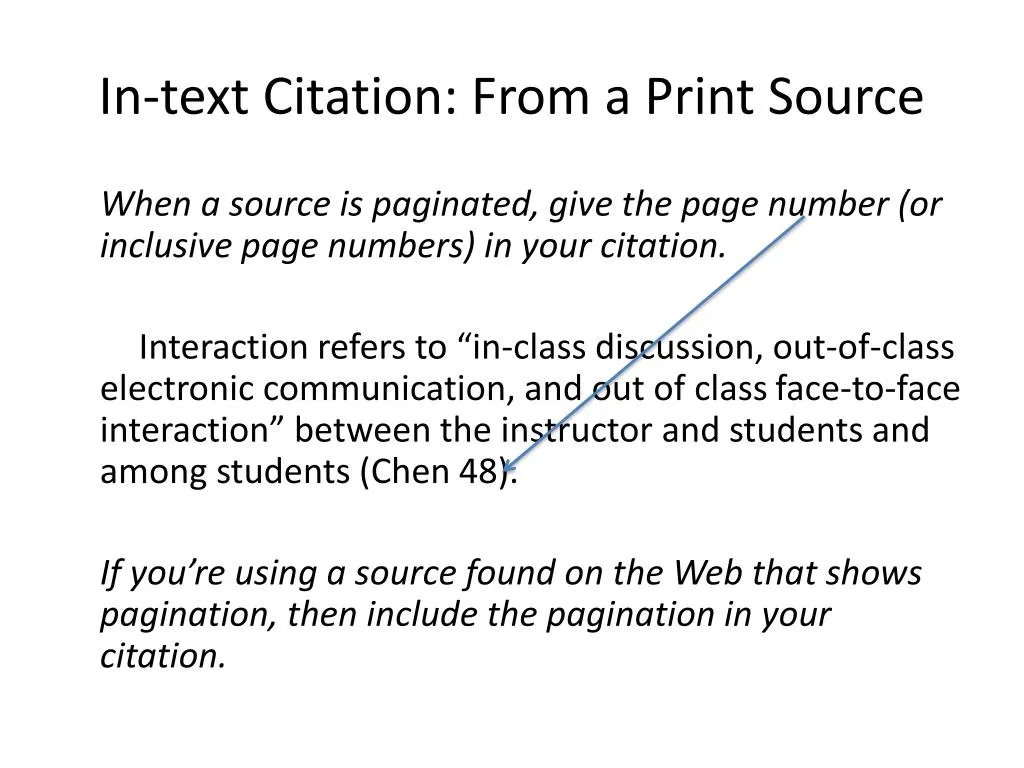
Citation may seem mundane, but it plays a critical role in any work that uses external sources—especially images. When you cite the source of an image, you’re not just following the rules; you’re also giving credit where it’s due and maintaining the integrity of your work. Here are some compelling reasons why citing sources is essential:
- Credibility: Citing your sources adds credibility to your work. It shows that you’ve done your research and respect the contributions of others.
- Avoiding Plagiarism: Using an image without proper attribution can lead to accusations of plagiarism. By citing your sources, you’re making it clear that the image is not your original work.
- Building Trust with Your Audience: Your readers will appreciate the transparency. When they know you value and credit other creators, they’re more likely to trust your content.
- Legal Protection: Citing sources can help protect you legally by demonstrating that you’ve respected copyright laws. If a creator sees their work cited appropriately, they’re less likely to pursue legal action.
In summary, citing sources for images like those downloaded from Alamy is not merely a formality; it’s a vital practice in upholding ethical standards in your creative and professional endeavors. So, the next time you use a picture, remember to give credit to the artist!
Overview of Alamy and Its Licensing Terms
Alamy is a renowned stock photography agency that boasts an impressive collection of over 200 million images, videos, and illustrations sourced from talented photographers and creators worldwide. Founded in 1999, Alamy has established itself as a go-to resource for high-quality visual content, catering to a diverse range of industries, including advertising, education, and publishing.
When it comes to using Alamy‘s images, understanding its licensing terms is crucial. Alamy operates on a model that ensures both creators and users benefit fairly. Essentially, when you purchase an image, you’re acquiring the right to use it within the specific terms outlined in the chosen license. Here are some key points regarding
- Royalty-Free (RF) Licensing: This allows you to use the image without paying royalties each time it’s used. Once you buy it, you can often use it across various projects, as long as you stick to the usage guidelines.
- Rights Managed (RM) Licensing: This type involves specific restrictions based on how you plan to use the image. Prices can vary based on factors such as usage duration, geographic location, and circulation.
- Exclusive Licenses: In certain cases, you can negotiate exclusive rights, ensuring that no one else can use the image for a specified time.
Always make sure to read the detailed license agreement associated with the image you choose. This not only protects you legally but also respects the work of the photographers whose images you are using.
Types of Licenses Offered by Alamy
When you’re on Alamy looking for the perfect image, it’s essential to know that the platform offers several license types to suit various needs. Each license comes with its own set of terms and usage rights, so let’s dive into the main types!
| License Type | Description | Best For |
|---|---|---|
| Royalty-Free (RF) | Users can pay a one-time fee to use images for multiple projects without incurring additional costs. | General use, including blogs, websites, and social media. |
| Rights Managed (RM) | Licenses are tailored based on specific uses, including duration and distribution, often resulting in variable pricing. | High-profile campaigns and publications that need strict usage clarity. |
| Extended License | Grants broader rights beyond standard usage, allowing for uses like merchandise or promotional items. | Projects requiring extensive use beyond regular publication. |
| Editorial Use Only | Images can only be used in non-commercial projects, like news articles, blogs, and documentaries. | News photography and educational materials. |
In conclusion, understanding the types of licenses Alamy offers can help you choose the right image and use it correctly in your work. Always ensure that you comply with the specific requirements of the license you’ve selected!
Steps to Download an Image from Alamy
Downloading an image from Alamy is a straightforward process, but it’s important to follow the right steps to ensure you get the file you need with the proper rights. Here’s how to do it:
- Search for Your Image: Start by visiting the Alamy website. Use the search bar to enter keywords related to the image you’re looking for. You can filter results by orientation, color, and more to find the perfect fit.
- Select the Image: Once you find an image that catches your eye, click on it to open its details page. Here, you’ll see additional information about the image, like its resolution and license type.
- Choose Your License: Depending on how you plan to use the image, you’ll need to select the correct license. For example, commercial use requires a different license than editorial use. Make sure you understand the implications of your choice!
- Add to Basket: After selecting the right license, click on the “Add to Basket” button. This stores your selection while you continue browsing or finalize your purchase.
- Checkout: When you’re ready to download, go to your basket. Review your selections and click on “Proceed to Checkout.” Here you’ll provide payment information if you haven’t already set up an account.
- Download Your Image: Once your payment is processed, you’ll receive an email or redirect to your downloads page. Click the download link to save the image to your device. Voilà! You’re ready to use your image with proper citation!
How to Find Citation Information for Your Image
Citing an image correctly from Alamy is crucial to respecting copyright and acknowledging the creator. Let’s explore how to find all the necessary citation information:
- Image Details Page: When you click on an image in Alamy, you will be directed to the image details page. Here, you can find essential information, including the name of the photographer, the title of the work, and the copyright holder.
- License Type: Make sure to note the license type you’ve selected for the image. This will often influence how you can use the image and how you should cite it. Be sure to indicate the specific license in your citation.
- Metadata Description: Alamy often provides metadata that can be pertinent for citation. Look for details like the image’s creation date, category, and any relevant tags that describe the image.
- Download Options: When you download the image, some formats may include credit information in the accompanying file or document. Check these options to see if they provide helpful citation details.
Here’s a quick example of how to format your citation:
Photographer’s Name. Title of the Image. Alamy (year). License type.By following these steps, you’ll have all the citation information you need to give credit where it’s due!
Common Mistakes to Avoid When Citing Images
Citing images can seem straightforward, but there are several common pitfalls that many people encounter. Avoiding these mistakes will ensure your work is credible and respects the rights of image creators. Here are some key mistakes to steer clear of:
- Neglecting to Include All Necessary Information: Always provide complete citation details. This includes the creator’s name, title of the image, date of creation, source (e.g., Alamy), and, if applicable, the URL where the image can be found.
- Using Incorrect Formats: Different disciplines may have specific citation styles (APA, MLA, Chicago, etc.). Ensure you are familiar with the format required for your work and follow it strictly.
- Ignoring Image Licensing: Always check the licensing information provided by Alamy or the image owner. Different licenses might impose restrictions on usage and may require specific attribution wording.
- Missing Or Incorrect URLs: If you’re citing an image from an online source, ensure that the URL is accurate and leads directly to the image. Broken links can discredit your citation.
- Not Considering Context: Make sure that your citation includes context about how the image relates to your work. Providing background shows that you’ve engaged with the image meaningfully.
By being mindful of these common mistakes, you can enhance the reliability of your citations and reflect well on your academic or creative integrity.
Conclusion and Best Practices for Image Citations
Citing images correctly is crucial for upholding academic ethics and giving credit to creators. Here are some best practices to keep in mind:
| Best Practice | Description |
|---|---|
| Always Check Image Permissions | Before using any image, review the licensing agreement to understand how it can be used and what attribution is necessary. |
| Follow Citation Style Guidelines | Be consistent with the citation format you choose (APA, MLA, etc.) and adhere to all rules specific to citing images. |
| Include All Citation Elements | Make sure every citation provides enough information for someone else to find the source, including the creator’s name, image title, and source. |
| Use High-Quality Images | Whenever possible, select high-resolution images that are relevant to your content, ensuring they enhance your work aesthetically and informationally. |
| Provide Contextual Information | Explain how the image relates to your work, giving readers insight into its significance and enhancing their understanding of your topic. |
By implementing these best practices, you’ll not only respect the creators of the images you use but also improve the quality and integrity of your own work. Happy citing!