

If you're venturing into the world of photography, graphics, or media production, you’ve likely come across Imago Images. This platform is a treasure trove for professionals and creatives alike, offering a vast collection of licensed images that can elevate your projects. Whether you're working on a marketing campaign, designing a website, or creating engaging social media content, knowing what Imago Images offers can be invaluable. In this section, we’ll explore what
Understanding Licensed Photos
When it comes to using images for your projects, understanding the concept of licensed photos is crucial. So, what exactly does it mean? Licensed photos are images that you have legal permission to use in your work, typically through a purchase or subscription from a stock photo service like Imago Images. Here’s why this matters:
- Legal Protection: Using licensed photos helps you avoid copyright infringement, which can lead to hefty fines and legal troubles.
- Quality Assurance: Licensed images are often high-quality, professionally shot, and well-edited, ensuring they will enhance your projects.
- Variety of Use Cases: These photos can be used for a range of applications, including marketing materials, presentations, and social media posts.
Imago Images offers several licensing options, each tailored to different needs:
| License Type | Description | Usage Rights |
|---|---|---|
| Royalty-Free | Pay once and use the image multiple times across different projects. | Ideal for businesses needing stock photos for marketing. |
| Rights Managed | Cost varies based on duration and type of use; meant for specific projects. | Best for exclusive usage in limited contexts. |
| Extended Licenses | Includes additional rights, like the ability to modify images or use in merchandise. | Useful for high-visibility projects. |
Understanding these nuances will not only help you make informed choices but also ensure you respect the rights of photographers and creators while using their work. So, next time you’re on Imago Images, you’ll know exactly what to look for and how to properly comply with licensing rules!
Also Read This: Bypassing Fortiguard Downloader Firewall: Techniques and Tips
Types of Licenses Available at Imago Images
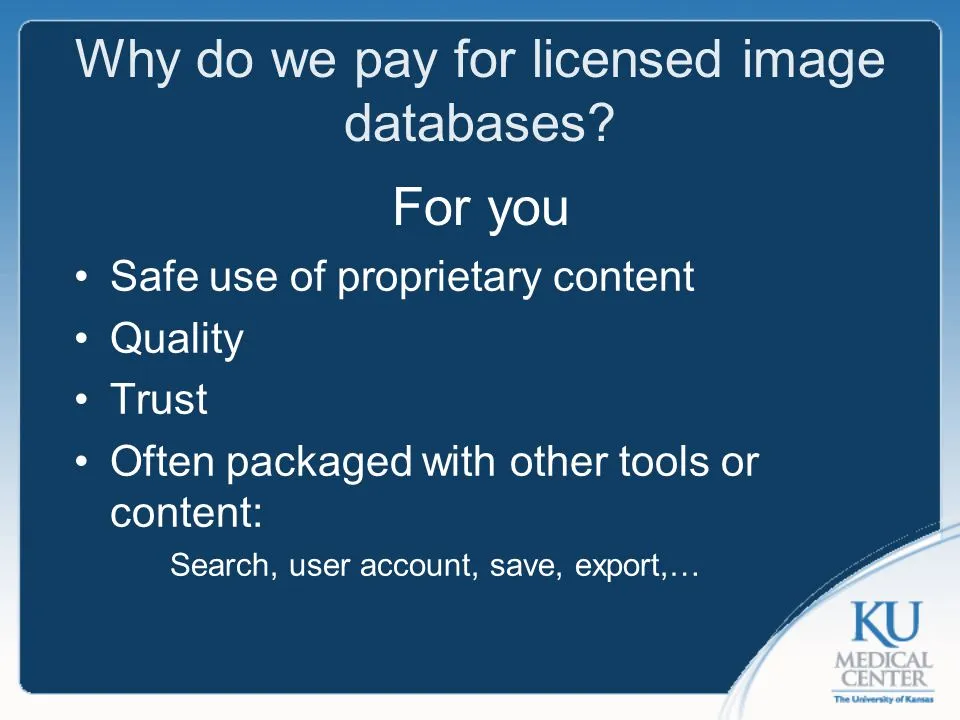
When it comes to using photos from Imago Images, understanding the different types of licenses they offer is crucial for both professionals and casual users. Each license caters to specific needs and uses, allowing you to pick one that best fits your project. Let’s dive into the various types of licenses you can expect:
- Royalty-Free License: This is the most common type of license available. Once you pay for the image, you can use it multiple times without incurring additional fees. It’s perfect for things like marketing materials, websites, and presentations.
- Rights-Managed License: This license is more restrictive. It allows you to use an image specifically for one project or purpose, and you’ll need to negotiate usage terms. This is ideal for high-profile projects where exclusivity is important.
- Editorial License: If you're aiming to use images in news articles, documentaries, or other non-commercial ways, this license is what you’ll need. It allows for usage in a context where the image's subject is relevant to the news or information being provided.
- Extended License: For users needing more flexibility, the extended license permits broader usage options, including merchandise or print products. If you plan to use the images in a way that goes beyond standard applications, this is a smart choice.
Understanding these license types can help ensure compliance and protect your work from legal issues. Always read the terms carefully to know exactly what you can and cannot do with your licensed images.
Also Read This: Watermark Woes? Imgflip Watermark Remover Guide
Benefits of Using Licensed Photos
Using licensed photos, especially from reputable sources like Imago Images, brings a multitude of benefits. Let's break down some of the key advantages:
| Benefit | Description |
|---|---|
| Quality and Professionalism | Licensed photos are typically high-quality images captured by skilled photographers. Using them adds a professional touch to your projects. |
| Legal Protection | By using licensed images, you protect yourself from potential copyright infringement issues. You're legally allowed to use the images as specified in the license. |
| Wide Variety | Platforms like Imago offer a vast selection of images across various categories. Whether you need landscapes, portraits, or abstract visuals, you’ll find something that fits your needs. |
| Time-Saving | Searching through countless free image sources can be time-consuming and often leads to frustration. Licensed stock photo sites curate collections, making your search quicker and more efficient. |
| Brand Consistency | Using licensed photos helps ensure your visuals align with your brand's image, tone, and message, fostering a cohesive identity across all marketing channels. |
In essence, utilizing licensed photos not only enhances the quality of your work but also frees you from the stress of legal troubles. So whether you’re creating a website, running a business, or just sharing content on social media, the right licensed images can make all the difference!
Also Read This: How to Record Gameplay on YouTube TV as a Beginner
5. How to Properly Use Licensed Photos
Using licensed photos correctly is crucial for anyone looking to enhance their content without legal hiccups. When you choose to work with platforms like Imago Images, understanding the ins and outs of photo licensing can save you from potential copyright issues. Here are some key points to keep in mind:
- Read the License Agreement: Before downloading any image, carefully read the license agreement associated with it. This document lays out how you can use the photo, whether for commercial or personal purposes, and any restrictions that may apply.
- Cite Your Sources: Even if it’s not required, giving credit is often appreciated. Including the photographer’s name or the source can demonstrate professionalism and respect for creative work.
- Stick to the Allowed Use: Ensure that your usage aligns with what the license permits. If the license allows only for editorial use, refrain from using the image in advertising or promotional materials.
- Be Mindful of Modifications: Some licenses allow you to modify images, while others do not. If you plan to edit a photo, check if that’s permissible under your chosen license.
- Keep Records: Maintain clear records of where and how each image is used. This documentation can be useful if questions about copyright arise in the future.
By following these guidelines, you can effectively and legally incorporate licensed photos into your projects, enhancing your work while respecting the rights of photographers.
Also Read This: Start Earning Money from Your Dailymotion Channel
6. Common Mistakes to Avoid When Using Licensed Photos
While using licensed photos can elevate your content, there are some common pitfalls that many people encounter. Avoiding these mistakes can help you stay on the right side of copyright law and maintain your professional integrity:
- Ignoring License Details: Skimming through the license or ignoring specific terms can land you in hot water. Always ensure you're fully informed about what’s permitted and what isn't.
- Using Photos Beyond Scope: Some users mistakenly think that licenses give them unlimited usage. Be careful to only use images in the ways that the license allows. For instance, you might not be allowed to use a photo for commercial purposes if it’s labeled as non-commercial only.
- Failing to Provide Attribution: In cases where attribution is required, failing to credit the photographer can lead to negative consequences and may even damage relationships with the artist.
- Assuming All Images are Usable: Just because an image is online doesn't mean it's free to use. Always verify the licensing status of an image before adding it to your collection.
- Neglecting to Keep Documentation: Forgetting to keep records of your licenses and usage can create confusion and complications down the line. Proper documentation can save you from potential disputes.
By being aware of these common mistakes and actively working to avoid them, you can navigate the world of licensed photos more effectively, ensuring your content remains engaging and legally sound.
Also Read This: How to Embed My Behance Project into a Website
What You Need to Know About Using Licensed Photos from Imago Images
Imago Images is a reputable stock photography agency that provides high-quality licensed images for various purposes, including commercial use, editorial content, and personal projects. Understanding the nuances of using licensed photos from Imago Images is crucial to avoid legal complications and ensure you are using content ethically and responsibly.
Here are some key points to consider when using licensed photos from Imago Images:
- Types of Licenses: Imago Images offers different types of licenses, including:
- Royalty-Free: Use the photograph without paying royalties after the initial purchase.
- Rights Managed: Licensing fees are based on usage, with specific terms regarding how and where the photo can be used.
- Attribution Requirements: Some images may require credit to the photographer or agency. Make sure to check the licensing details for attribution rules.
- Usage Restrictions: Be aware of any restrictions outlined in the license agreement. For instance, images may not be used for resale or in certain prohibited contexts.
- Editing and Modifications: Understand whether you can modify the images. Some licenses allow alterations, while others do not.
It’s essential to review the licensing agreement for each image you plan to use to ensure compliance with their regulations. This not only protects you legally but also respects the creative rights of the photographers.
Conclusion and Final Thoughts
Using licensed photos from Imago Images can elevate your projects while ensuring you respect copyright laws. By understanding the licensing terms, you safeguard yourself and promote fair use of artistry in photography.
```