

Video content has become the undisputed king of engagement in today's digital landscape. For business owners, e-commerce entrepreneurs, professionals, and advertisers, compelling video is no longer a luxury but a necessity to capture attention, build brand loyalty, and ultimately drive sales. As the demand for video explodes, so does the reliance on skilled video editors. However, the rapid advancements in Artificial Intelligence (AI) have sparked both excitement and apprehension about the future of these crucial roles. Will AI render human video editors obsolete, or will it usher in a new era of creative possibilities? Let's delve into the truth about AI and video editing jobs in the future.
The AI Revolution in Content Creation: A Double-Edged Sword
AI is actively reshaping various industries, and content creation is no exception. We're already witnessing AI-powered tools capable of performing tasks that were once exclusively in the realm of human creativity. In the context of video editing, AI is making significant strides in areas like:
- Automated Editing: Free AI video generator tools can now analyze video footage, identify key moments, and automatically assemble rough cuts. These tools can intelligently trim clips, add transitions, and even synchronize audio.
- Object Recognition and Tracking: AI can accurately identify and track specific objects or individuals within a video, enabling more precise masking, blurring, and visual effects.
- Content Generation: Some AI platforms can even generate basic video content from text prompts or existing images, creating simple promotional videos or social media snippets.
- Audio Enhancement and Noise Reduction: AI excels at cleaning up audio tracks, removing background noise, and enhancing speech clarity, saving editors valuable time and effort.
These advancements naturally lead to the question: are human video editors facing extinction? The answer, while complex, leans towards a significant evolution rather than complete replacement.
Also Read This: Understanding How Shutterstock Works for Contributors
Will AI Replace Video Editors? The Nuance of Human Creativity
While AI can undoubtedly automate many technical and repetitive aspects of video editing, it currently lacks the nuanced understanding of human emotion, storytelling, and artistic vision that defines truly compelling video content. Here's why human video editors remain indispensable:
-
Creative Interpretation and Storytelling
Video editing is not just about stringing clips together; it's about crafting a narrative, evoking emotions, and conveying a specific message. This requires a deep understanding of human psychology, cultural context, and artistic principles – areas where AI currently falls short.
-
Understanding Client Needs and Brand Identity
Effective video editing involves collaborating closely with clients to understand their objectives, target audience, and brand identity. This requires communication, empathy, and the ability to translate abstract ideas into visual realities – skills that are inherently human.
-
Handling Complex and Unique Projects
While AI excels at routine tasks, it often struggles with unconventional projects, intricate visual effects, and creative problem-solving that requires human ingenuity and adaptability.
-
The "Human Touch" and Artistic Flair
Ultimately, great video editing possesses a certain "human touch" – a unique artistic flair that resonates with viewers on a deeper level. This involves subjective judgments, intuitive decisions, and the ability to infuse personality into the final product – qualities that are difficult to replicate with algorithms.

Also Read This: Creative DIY Ideas for Making a Paper Helicopter
How to Master AI Video Editing
AI tools are increasingly available to assist in video editing, enhancing productivity and creativity. Here's how to master these tools effectively:
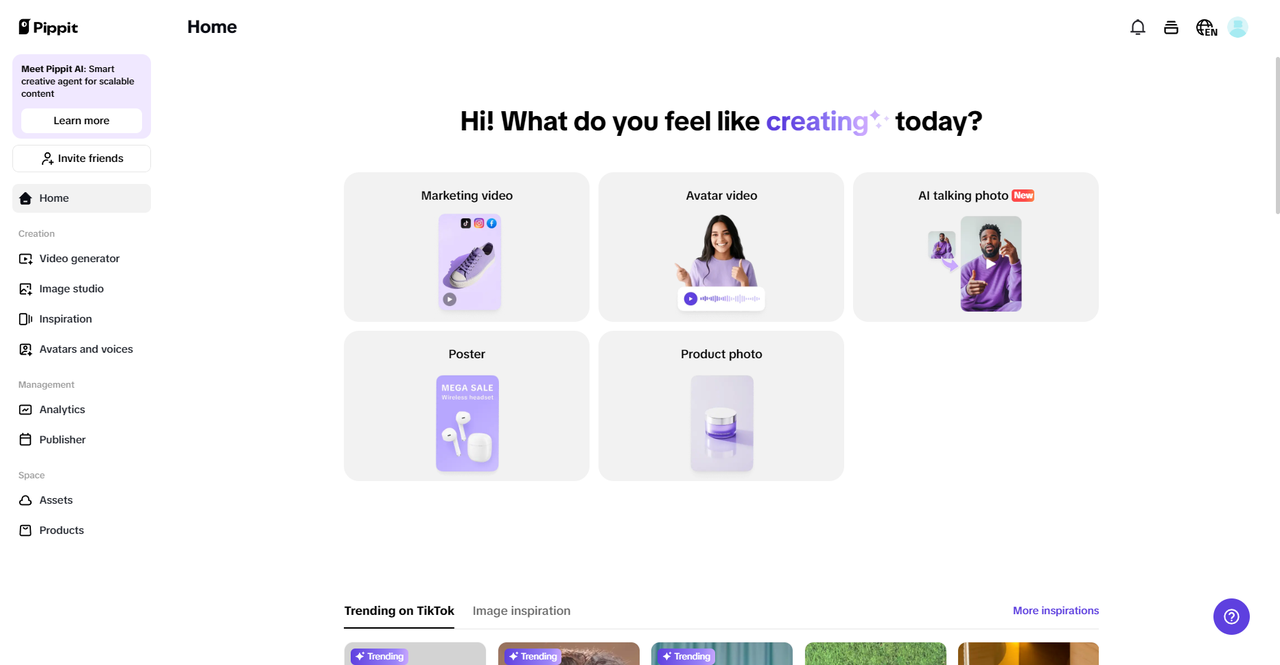
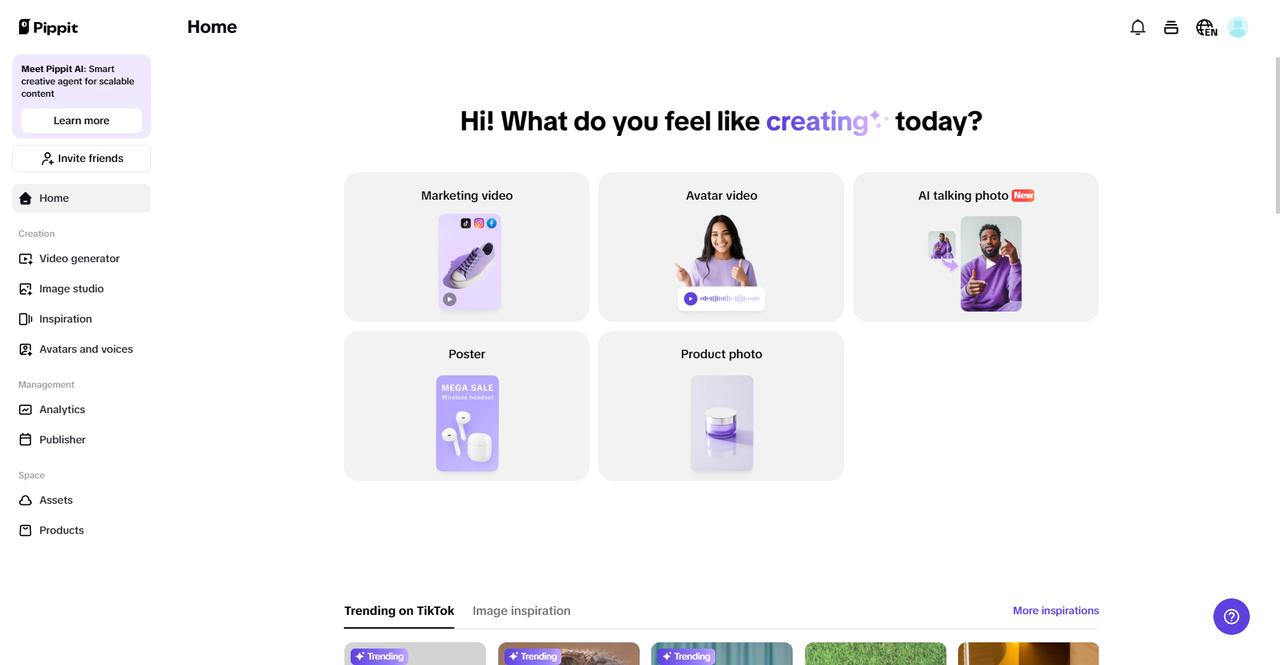
Step 1: Share Your Product Details
To begin, you'll need to register for an AI tool and find the Video Generator. From there, you can either enter a link to your product or upload a picture of it. Next, you'll be prompted to give your product a name, which the AI will use to emphasize its key features in the generated video.
Step 2: Set Your Video Settings
To precisely tailor your video before it's generated, access the Advanced Settings. This feature lets you fine-tune everything from the video's technical specifications and the AI-created script to the avatar's appearance and voice.
Step 3: Export and Publish
Once you've made your selections, the AI tool will generate your video. Afterward, you'll have the flexibility to make additional edits or simply download and/or share it directly to your social media accounts – be it Facebook, Instagram, or TikTok.
Also Read This: How to Create Beautiful Curls at Home with a DIY Hair Tutorial
The Evolving Role of the Video Editor: Embracing the AI Assistant
Instead of viewing AI as a replacement, businesses and video editors should see it as a powerful assistant that can augment human capabilities and streamline workflows. The future of video editing will likely involve a collaborative partnership between humans and AI, where:
- AI Handles the Mundane: AI can take over time-consuming and repetitive tasks like basic trimming, color correction, noise reduction, and voice-overs, ultimately freeing up human editors to focus on more strategic and creative aspects.
- Editors Focus on Strategy and Storytelling: With AI handling the technical grunt work, video editors can dedicate their expertise to crafting compelling narratives, refining the emotional impact, and ensuring the final product aligns with the client's vision.
- New Skills and Specializations Emerge: The integration of AI will likely lead to the emergence of new roles and specializations within the video editing field, such as AI-assisted editing specialists or prompt engineers who guide AI tools effectively.

Also Read This: Exploring the Earning Potential for 100000 Views on YouTube in 2024
Opportunities for Businesses and Professionals: Leveraging the Power of AI
For businesses and professionals who rely heavily on video content, the rise of AI in video editing presents significant opportunities.
-
Increased Efficiency and Faster Turnaround Times
AI-powered tools can significantly speed up the editing process, allowing for quicker content creation and faster turnaround times for marketing campaigns and product launches.
-
Reduced Costs
Automating certain editing tasks with AI can potentially lower production costs, especially for high-volume content creation.
-
Enhanced Quality and Consistency
AI can help ensure consistency in branding and style across multiple videos, while also offering tools for enhancing video and audio quality.
-
Democratization of Video Creation
AI-powered platforms can empower individuals with limited editing skills to create basic video content for their businesses or personal brands.
Conclusion
The truth about AI and video editing jobs in the future is not one of replacement but rather of transformation. While AI will undoubtedly automate many aspects of the editing process, the human element of creativity, storytelling, and strategic thinking will remain paramount. By embracing AI as a powerful assistant and focusing on developing uniquely human skills, video editors and businesses can unlock new levels of efficiency, creativity, and impact in the ever-evolving world of video content.
The future of video editing is not about man versus machine, but rather about the powerful synergy that emerges when human ingenuity and artificial intelligence work together.