

Starting a LinkedIn group can be an exciting venture, but it’s important to understand why you’re doing it in the first place. A well-thought-out group can serve multiple purposes that benefit you and your community. Let’s break down some key reasons for creating a LinkedIn group:
- Networking Opportunities: Creating a group allows you to connect like-minded professionals and foster meaningful conversations. It’s a great way to expand your network and meet new influencers in your industry.
- Building Authority: By launching a group, you position yourself as a thought leader. Share valuable insights and lead discussions to gain credibility in your niche.
- Resource Sharing: A LinkedIn group can serve as a centralized platform where members share useful resources, industry news, and informative content that benefits everyone.
- Community Engagement: This allows for a sense of belonging among members. It’s not just about you; it’s about creating a space where everyone can share their experiences and knowledge.
- Targeted Discussions: Unlike general forums or social media platforms, LinkedIn groups can focus on specific topics, leading to more curated and relevant discussions.
Finding a clear purpose for your group is crucial. Ask yourself: What do you want your members to gain? Being clear about your intentions will help you create meaningful content and attract the right members.
Identifying Your Target Audience
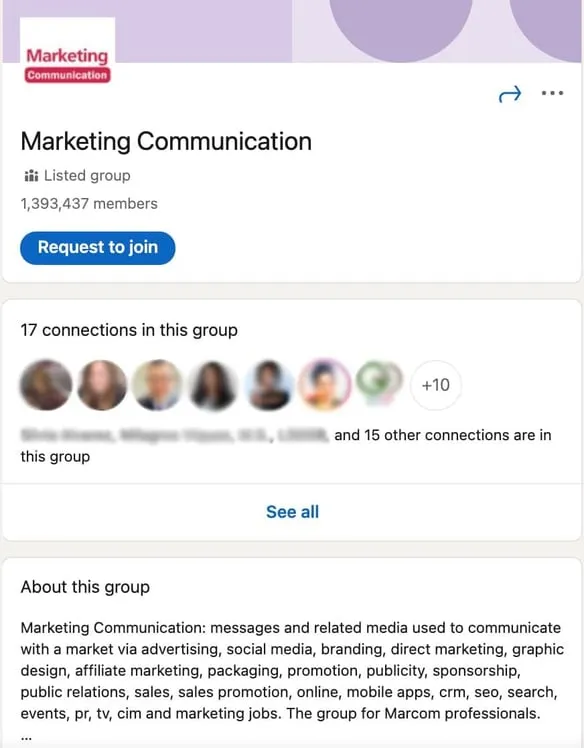
Now that you have a clear purpose, the next step is to identify your target audience. This isn’t just about demographics; it’s about understanding who will benefit from your group the most. Here are some steps to help you clarify your target audience:
- Define Your Niche: Think about the specific area within your industry that you want to focus on. What topics do you want to explore? The more specific you are, the better you can target your audience.
- Identify Pain Points: Consider what challenges your audience faces. It’s easier to engage members when you choose a subject that resonates with their needs and concerns.
- Research Potential Members: Use LinkedIn search tools to find individuals and professionals already involved in your niche. Take note of their interests and how they engage with content.
- Develop Member Profiles: Create hypothetical profiles for your ideal members. Think about their job titles, industries, experience levels, and what they might be looking for in a group.
Here’s a quick reference table to help you visualize your target audience:
| CATEGORY | DETAILS |
|---|---|
| Industry | Marketing, Technology, Healthcare, etc. |
| Experience Level | Entry-level, Mid-career, Senior Executives |
| Geographic Location | Local, National, or Global focus |
| Interests | Content Creation, Networking, Professional Development |
By accurately identifying your target audience, you will create a group that meets their needs and fosters engagement. Remember, the more aligned your group is with the interests and needs of its members, the more successful it will be!
Also Read This: Canva Image Upload to Canvas
Choosing a Niche for Your Group
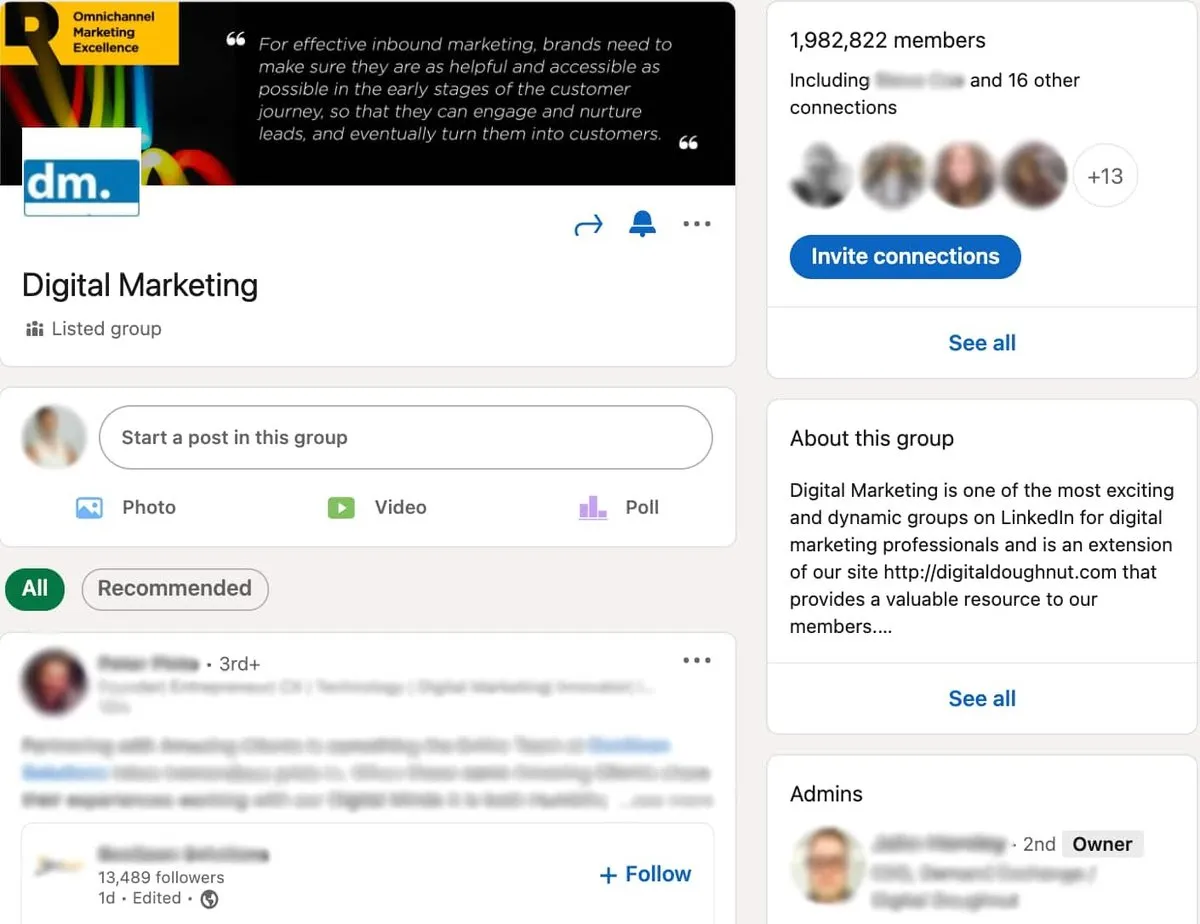
Choosing the right niche for your LinkedIn group is crucial. It sets the foundation for your group’s mission, members, and overall engagement. So how do you ensure that your group stands out in the vast sea of LinkedIn? Let’s break it down.
First, think about your interests and expertise. What topics are you passionate about? What area do you have a deep understanding of? Choosing a niche that aligns with your interests ensures you’ll stay engaged and can provide valuable insights.
Next, consider your target audience. Who do you want to attract? Here are some questions to guide you:
- What industry do they belong to?
- What specific challenges are they facing?
- What kind of resources would they find valuable?
Once you have a clearer picture of your potential members, you’ll want to conduct some research. Look at existing groups in your chosen niche to identify gaps. Ask yourself:
- What topics are already being discussed?
- How can my group offer a unique perspective or resource?
A well-defined niche will not only help you attract the right members but also foster meaningful discussions. Remember, it’s all about creating a community where members can share knowledge, ask questions, and grow together. So take your time, choose wisely, and let your passion shine through in your group’s focus!
Also Read This: How to Curl Your Hair Without Heat on Dailymotion
Creating Your LinkedIn Group
Now that you’ve settled on a niche, it’s time to create your LinkedIn group. This is where the fun begins! Here’s a step-by-step guide to help you through the process.
1. *Access Your LinkedIn Account: Log into your LinkedIn account and navigate to the ‘Groups’ section. You’ll find it in the menu under ‘Work’.
2. Click on ‘Create Group’: Look for the button that says ‘Create Group’. It’s usually at the top of the groups page.
3. Fill in the Group Details: This is crucial! You’ll want to fill out several fields:
- Group Name: Choose a name that reflects your niche.
- Description: Clearly outline what your group is about. This is your chance to draw in members.
- Rules: Lay down a few basic rules to maintain civility and focus.
- Privacy Settings: Decide if you want your group to be ‘Open’ or ‘Request to Join’.
4. Customize Your Group: You can upload a logo and cover image that best represents your group’s theme. Make it visually appealing!
5. Invite Members*: Start by inviting your connections who are likely to be interested in your niche. You can also promote your group on your personal feed to attract more members.
Once your group is created, regular engagement will be key to its success. Post discussions, share valuable content, and encourage members to contribute. Happy grouping!
Also Read This: No Watermark, No Problem: Shutterstock Secrets
Engaging Your Group Members
Engaging your group members is critical for the success of your LinkedIn group. It's not enough just to create the group; you need to foster an environment where members feel valued and motivated to participate. Here are some effective strategies to promote engagement:
- Regular Updates: Share content regularly to keep the conversation going. This could include articles, polls, or questions related to your group’s niche.
- Encourage Discussions: Always ask open-ended questions that spark discussions. Instead of yes or no questions, try, “What are your thoughts on this recent industry trend?”
- Highlight Members: Feature a member of the week or spotlight a member's achievements. This not only recognizes individual contributions but also encourages others to engage.
- Create Events: Organize virtual meetups, Q&A sessions, or guest speaker events. This gives members a reason to interact beyond just comments.
- Ask for Feedback: Periodically solicit feedback from members about what they want to see more of in the group. This will make them feel more invested in the group.
- Moderate Actively: Keep the conversation civil and on-topic. Engage with members’ comments, providing your perspective or asking follow-up questions.
By implementing these strategies, you’re likely to see increased interaction and a stronger community within your LinkedIn group.
Also Read This: Using YouTube Music While Multitasking
Promoting Your LinkedIn Group
Once you've established your LinkedIn group, the next step is promotion. Attracting new members is essential for group vitality and growth. Here are some effective ways to promote your group:
- Leverage Your Network: Start by inviting your personal LinkedIn connections to join. Let them know why the group is valuable.
- Social Media Promotion: Share your group link on other social media platforms like Twitter, Facebook, or Instagram. Use relevant hashtags to reach a wider audience.
- Collaborate with Influencers: Reach out to industry influencers who can help promote your group to their followers. A shout-out from them can significantly increase your visibility.
- Use Content Marketing: Write articles or blog posts that tie into the group's theme, including a call to action encouraging readers to join your group for more insights.
- Engage in Other Groups: Participate in discussions in similar groups and subtly promote your group by highlighting how it complements those conversations.
- Email Newsletters: If you have a mailing list, inform your subscribers about the group. Share the benefits of joining and include social proof.
Remember, promoting your group is an ongoing effort. Consistency and creativity in your approach can attract more members and keep your group thriving.
Also Read This: Understanding YouTube Video Upload Times and the Factors That Influence Speed
Measuring Group Success
Understanding how well your LinkedIn group is performing is crucial for its ongoing success. Measurement gives you insights into member engagement, content effectiveness, and overall group relevance. Here are the key metrics you should track:
- Member Growth: Keep an eye on how quickly your membership is increasing. Are you hitting milestones like 100, 500, or even 1,000 members? Use LinkedIn analytics to track the growth rate over time.
- Engagement Rate: Check how many members are actively participating. Look for the number of posts, comments, and likes. A high engagement rate indicates that members find value in the discussions.
- Content Performance: Evaluate which types of content get the most interactions. Are polls more popular than articles? Are industry news updates generating buzz? Use this data to tailor your content strategy.
- Post Frequency and Timing: Analyze when posts are made and how often. Is there a particular time that sees more engagement? Experiment and refine your posting schedule based on these insights.
- Member Feedback: Encourage group members to provide feedback through polls or discussion threads. Use their input to gauge satisfaction levels and areas for improvement.
By consistently measuring these metrics, you can adjust your strategies and ensure your group remains both vibrant and valuable for all members.
Tips for Sustaining Group Activity
Keeping your LinkedIn group active and engaging requires ongoing effort and creativity. Here are some effective strategies to sustain group activity:
- Regular Posting: Create a content calendar to consistently post relevant articles, questions, and updates. Aim for a mix of media—such as videos, polls, and articles—to keep things fresh.
- Engage with Members: Respond to comments and posts made by group members. This will not only encourage them to participate more but also foster a sense of community.
- Highlight Member Contributions: Showcase posts or insights from members who contribute valuable content. This recognition motivates others to engage and share their thoughts too.
- Host Events or Webinars: Organizing online meetups, discussions, or expert talks can reinvigorate group interest and attract participation. Promote these events in advance to maximize attendance.
Implementing these strategies will help your LinkedIn group thrive and keep members coming back for engaging discussions and valuable content.