

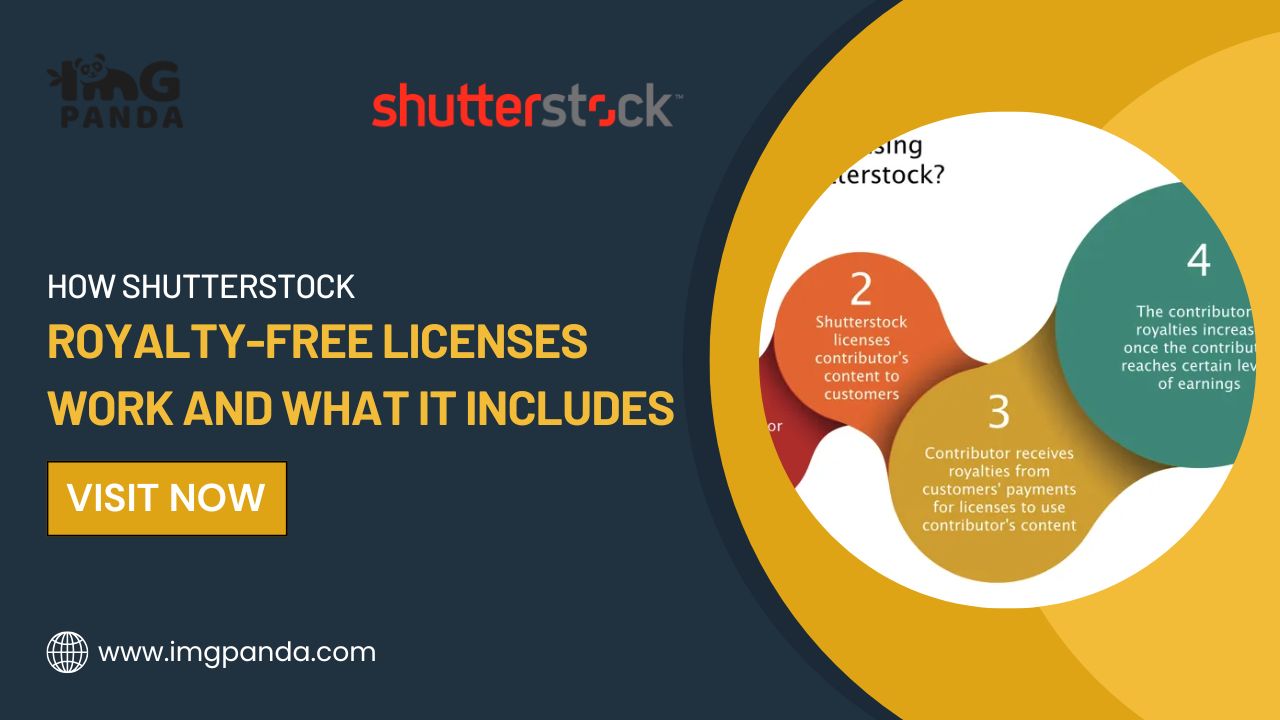
Shutterstock is a popular platform for obtaining high-quality images, videos, and music. When you purchase content from Shutterstock, you often choose a royalty-free license. This means you can use the content without paying additional fees after your initial purchase. However, it’s important to understand what "royalty-free" truly means and how it works.
A royalty-free license allows you to use the content in various ways, such as in marketing materials, websites, or social media. This flexibility is one of the main reasons Shutterstock is favored by businesses, designers, and creators alike. It simplifies the process of sourcing images while providing peace of mind regarding usage rights. Nevertheless, there are specific terms and conditions associated with these licenses that you need to be aware of.
Types of Shutterstock Royalty-Free Licenses
Shutterstock offers several types of royalty-free licenses to cater to different needs. Here are the main categories:
- Standard License: This license is ideal for most projects, allowing you to use images in print and digital formats, including websites and social media. However, there are limitations on the number of copies and views.
- Enhanced License: If you need broader usage rights, the enhanced license allows for unlimited copies and distribution. This is great for larger projects or when using images in products for resale.
- Editorial License: This license is specifically for non-commercial use, such as news articles or blogs. It’s important to note that editorial images cannot be used for promotional purposes.
Choosing the right license is crucial for ensuring you comply with Shutterstock’s terms and protect your work.
Also Read This: Get Your LinkedIn QR Code for Quick Profile Sharing
What Is Included in a Royalty-Free License
A royalty-free license from Shutterstock typically includes several rights that make it a valuable choice for creators. Here’s what you can expect:
- Unlimited Usage: You can use the purchased image or video in various projects without needing to pay additional fees each time.
- Global Reach: The license generally covers usage worldwide, allowing you to share your content across different regions.
- Modification Rights: You can edit and modify the images to fit your project’s needs. This includes cropping, adding text, or combining with other elements.
- Multiple Formats: The license often allows the use of content in different formats, whether digital or print.
However, remember that a royalty-free license does not mean you own the image. The original copyright remains with the creator. Be sure to review Shutterstock’s specific terms for any limitations or conditions associated with your chosen license.
Also Read This: Lovepik: Elevating Brands, Energizing Social Media, Empowering Educators
Usage Rights of Shutterstock Images
When you purchase images from Shutterstock, understanding the usage rights is crucial. These rights dictate how and where you can use the images you acquire. Shutterstock provides clarity on these rights, ensuring you can use their content confidently.
Here are the primary usage rights associated with Shutterstock images:
- Commercial Use: Most Shutterstock images can be used for commercial purposes, meaning you can include them in advertising, websites, and other promotional materials.
- Editorial Use: Some images are marked for editorial use only. These images can appear in articles, blogs, or any non-commercial projects but cannot be used for marketing or promotional activities.
- Social Media and Websites: You can share Shutterstock images on your social media platforms and websites as long as you comply with the licensing agreement.
- Print Materials: The images can be included in brochures, magazines, and other print materials, which is particularly useful for businesses and marketing campaigns.
It’s important to read the specifics of your chosen license to ensure your usage aligns with Shutterstock's terms. Knowing your rights helps you avoid potential legal issues down the road.
Also Read This: Is Dailymotion Safe in 2018? Evaluating Its Security Measures
Limitations of Royalty-Free Licenses
While royalty-free licenses from Shutterstock offer flexibility, they come with certain limitations. Understanding these restrictions is key to using the images properly without any legal complications.
Here are some common limitations of royalty-free licenses:
- No Exclusive Rights: With a royalty-free license, you do not have exclusive rights to the image. Others may purchase and use the same content.
- Limitations on Certain Uses: Some images are restricted from being used in merchandise, resale, or any product that competes with Shutterstock.
- Editorial Use Only: Images licensed for editorial use can’t be used for commercial purposes. Make sure to check if an image has this restriction.
- Attribution Requirements: In certain cases, you may be required to credit the image creator. It’s essential to follow any attribution guidelines provided.
Being aware of these limitations helps you make informed choices and prevents misuse of the images.
Also Read This: The Best Time to Post YouTube Shorts for Maximum Views
How to Properly Attribute Shutterstock Images
Attributing Shutterstock images correctly is vital, especially if your license requires it. Proper attribution not only acknowledges the creator's work but also helps you avoid any potential copyright issues.
Here’s a quick guide on how to attribute Shutterstock images:
- Include the Creator's Name: Always mention the name of the photographer or creator. For example, “Image by John Doe on Shutterstock.”
- Link to the Image: If you’re using the image online, consider linking back to the original Shutterstock page where the image is hosted.
- Use Clear and Visible Text: Ensure that the attribution is easy to read. Place it near the image or in a designated credits section of your project.
- Follow Specific Requirements: Some licenses may have specific requirements for attribution. Always check the details provided with the image.
By attributing Shutterstock images correctly, you respect the work of the creators and maintain compliance with licensing agreements. This practice not only fosters goodwill in the creative community but also protects you legally.
Also Read This: Streaming on Rumble: A Complete Guide to Setting Up and Going Live
Benefits of Using Royalty-Free Images
Using royalty-free images can be a game-changer for anyone involved in content creation, whether you’re a marketer, blogger, or designer. These images provide a cost-effective and flexible solution for enhancing your projects. Here are some of the key benefits of opting for royalty-free images.
- Cost-Effective: Royalty-free images allow you to pay a one-time fee for unlimited use, which is often more affordable than licensing images individually for each project.
- Wide Variety: Platforms like Shutterstock offer millions of images, videos, and music tracks. This vast selection means you can find the perfect visual for any project.
- Flexibility: You can use these images in various ways, whether for marketing, social media, or print materials, without worrying about additional fees.
- High Quality: Royalty-free images are typically high-resolution and professionally created, ensuring your projects look polished and appealing.
- Time-Saving: Searching for the right image can be time-consuming, but royalty-free platforms streamline this process, allowing you to focus on your creative work.
By choosing royalty-free images, you can elevate your content without breaking the bank or spending too much time sourcing visuals.
Also Read This: Fortiguard Downloader’s Industrial Security Services
Frequently Asked Questions
Many people have questions when it comes to using royalty-free images from Shutterstock. Here are some of the most common inquiries, along with clear answers to help you navigate this area.
- Can I use Shutterstock images for commercial purposes? Yes, most Shutterstock images can be used for commercial projects, but always check the specific license type.
- Do I need to credit the photographer? It depends on the license. Some images may require attribution, while others do not.
- Can I modify the images? Yes, you can edit and modify royalty-free images to fit your project needs, unless stated otherwise.
- What happens if I misuse an image? Misusing an image can lead to legal issues, including copyright claims. Always adhere to the terms of the license.
- Are there restrictions on how many times I can use an image? With a standard license, there may be limits on copies for print, but you can use the image in various digital formats without restriction.
If you have further questions, it’s always a good idea to review Shutterstock’s licensing agreements or consult their customer support.
Conclusion
In conclusion, understanding how Shutterstock royalty-free licenses work can greatly benefit anyone looking to enhance their projects with high-quality visuals. From knowing your usage rights to following proper attribution practices, being informed helps you make the most of these resources. Royalty-free images offer numerous advantages, including cost-effectiveness, variety, and flexibility, making them an ideal choice for creators.
Always remember to check the specifics of the license you choose, as this ensures you stay within legal boundaries while enjoying the vast selection of stunning imagery available. By leveraging the power of royalty-free images, you can elevate your content and effectively communicate your message to your audience.