


Shutterstock Editorial Use is all about images, video footage and sound tracks that encapsulate newsworthy incidents, people or environments. These kinds of assets can serve different purposes including but not limited to; writing online news articles or even blogging on various topics or posting on social media platforms. Unlike normal Shutterstock material, stock pictures for editorial use do not usually aim at making money generically. They exist mainly in order to convey information and capture attention by presenting true-to-life happenings visually.
That’s right, it’s true that specific licensing restrictions apply in such a way that editorial content. Knowing this is vital for people who want to make legitimate and effective use of these materials.
Exploring the Benefits of Shutterstock Editorial Use
There are several benefits of using Shutterstock's Editorial Content:
- Access to Unique Content: Shutterstock provides a vast collection of editorial images that may not be available elsewhere. This allows creators to access exclusive content that captures current events.
- Visual Storytelling: Images can enhance storytelling by providing a visual context for your content. Editorial photos help convey messages more effectively than text alone.
- Engagement and Reach: Visual content tends to attract more engagement. Including editorial images can increase shares and interactions on social media platforms.
- Credibility: Using real images from actual events can lend credibility to your content. This authenticity can build trust with your audience.
Also Read This: How to Get iStock Photos for Free: A Simple Trick
How to Access Shutterstock Editorial Content
Getting to Shutterstock’s editorials is easy. You can use the following steps to look for and utilize the photographs you want:
- Create an Account: If you don't have one, sign up for a Shutterstock account. This will allow you to browse their library.
- Search for Editorial Content: Use the search bar to find images. Include keywords relevant to current events or specific topics.
- Filter Your Results: Use the filters on the search page to narrow down your results to only editorial images. This option is usually available on the left side of the search results.
- Review Licensing Terms: Before using any image, check the licensing terms to ensure you comply with the restrictions of editorial use.
- Download Your Selected Images: Once you've found the perfect images, you can download them directly from the site.
You’ll find yourself able to quickly retrieve and take advantage of Shutterstock’s editorial materials for your assignments by adhering to these guidelines.
Also Read This: Art app Behance viewing history
Ways to Use Shutterstock Editorial Images
Shutterstock editorial images can be utilized for various purposes especially by journalists, bloggers and content creators. These images depict real life events and are therefore, useful resources for people who want to have an attractive visual in their works. Some of the best ways of using these images are as follows:
- News Articles: Use editorial images to complement your news stories. They provide visual context that enhances reader engagement and understanding.
- Social Media Posts: Share relevant editorial images on platforms like Facebook, Twitter, and Instagram. These images can increase likes and shares, helping your content reach a wider audience.
- Blogging: Incorporate editorial images in your blog posts to illustrate points or highlight trending topics. This can make your posts more informative and visually appealing.
- Marketing Campaigns: While not for commercial use, editorial images can be used in campaigns focused on current events or public interest topics, providing a connection to real-world issues.
- Presentations: Enhance your presentations with editorial images that provide context to your arguments or topics being discussed, making your points more impactful.
Integrating editorial Shutterstock images in a creative way is one of the best means of enhancing your objects while creating a thrilling platform for interaction.
Also Read This: Discovering Quan's Height and the Unique Elements of His YouTube Content
Legal Considerations for Shutterstock Editorial Use
When utilizing Shutterstock's editorial photographs, it is vital to follow certain judicial regulations. The following are important elements that must be understood in order not to run into problems ahead:
- Non-Commercial Use: Editorial images are not intended for commercial purposes. Ensure your use aligns with this restriction to avoid legal repercussions.
- Crediting the Source: When using editorial content, always credit Shutterstock as the source. This acknowledgment helps maintain transparency and respects copyright laws.
- Image Alteration: Be cautious about altering editorial images. Significant changes can lead to misrepresentation, so it's best to use them as they are.
- Limited Licensing: Each editorial image comes with specific licensing terms. Review these terms carefully to ensure compliance with usage rights.
- Third-Party Permissions: If you plan to feature identifiable individuals or private property, check if you need additional permissions to avoid infringing on privacy rights.
Following these rules, you can use Shutterstock editorial images with confidence while abiding by copyright and privacy legislation.
Also Read This: Can You Upgrade iStock Licenses? Everything You Need to Know About Licensing Tiers
Common Misconceptions About Shutterstock Editorial Use
Most people misinterpret about Shutterstock editorial images. Here are myths associated with it and the truths behind those myths.
- Misconception One: Editorial Images Are Free to Use: Many believe that since editorial images are for non-commercial use, they can be used freely. In reality, these images require a proper license and adherence to specific guidelines.
- Misconception Two: You Can Alter Editorial Images: Some think they can modify these images. However, significant alterations can misrepresent the original context and violate licensing agreements.
- Misconception Three: All Shutterstock Images Are Commercial: Not all images on Shutterstock are for commercial use. Editorial images are specifically for newsworthy contexts, so it’s crucial to understand the distinction.
- Misconception Four: Editorial Images Are Only for News Outlets: While news organizations frequently use editorial content, bloggers and content creators can also leverage these images to enhance their work.
- Misconception Five: You Don’t Need to Credit the Source: Always credit Shutterstock when using their images. Not doing so could violate copyright and licensing agreements.
This will help you to utilize Shutterstock editorial images more effectively while navigating through their licensing terms correctly by avoiding the myths that surround it.
Also Read This: Accessing Fortiguard Downloader’s Server IP List
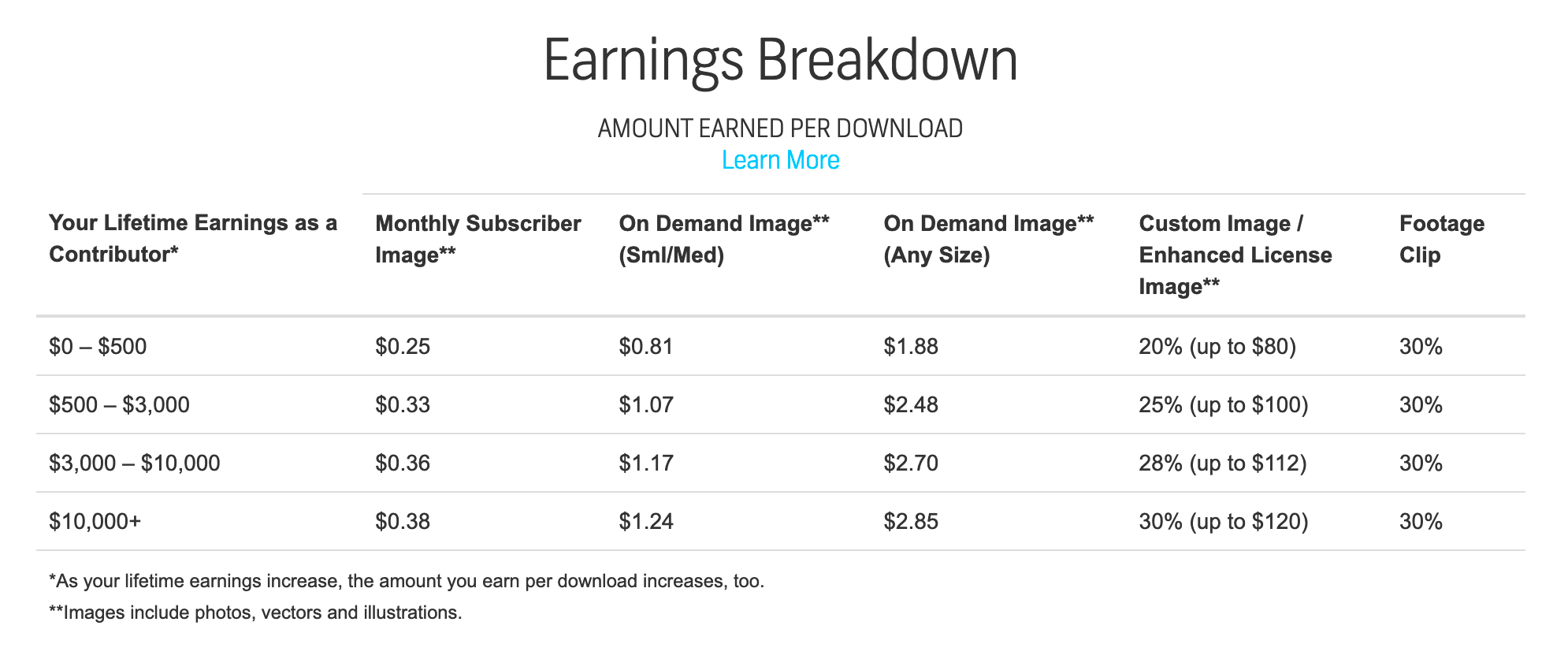
Tips for Maximizing Your Earnings from Shutterstock Editorial Use
October 2023 is when your training ends
Utilizing Shutterstock editorial images as a supplemental means of making more money requires strategies. No matter if you are a content creator, blogger or freelancer, employing the right methodology will ensure maximum returns from these expensive resources. Some pragmatic suggestions include:
- Choose Relevant Content: Focus on trending topics and current events. The more relevant your content is, the higher the chance it will engage your audience and drive traffic.
- Utilize SEO Strategies: Optimize your titles and descriptions with keywords related to the editorial images you are using. This can improve your visibility on search engines and attract more readers.
- Promote on Multiple Platforms: Share your content across different platforms—blogs, social media, newsletters, etc. The more eyes on your content, the greater your earning potential.
- Engage with Your Audience: Encourage comments and shares on your posts. Engaging with your audience can lead to repeat visits and higher visibility, which can increase your earnings.
- Analyze Performance: Regularly review the performance of your posts using analytics tools. Identify what works and adjust your strategy accordingly to maximize your earnings.
With the implementation of these recommendations, Shutterstock editorial images can be successfully utilized to improve your content and increase your income.
Also Read This: Export LinkedIn Contacts to Excel for Enhanced Networking
Frequently Asked Questions
ShutterstockEditorial: Dimmi Q hai e di che cosa hai bisogno – Come fare per rimanere aggiornati?
Shutterstock – an renowned stock photo agency – offers the best quality photographic content on the internet for every type of social communication and marketing campaign. As of May 2020, it has more than 300 million images. Stock photography is very popular among people who want to purchase photos for campaigns, newsletters, or other projects, especially when such images are available in a wide range variety.
Let’s look at some common questions about this resource.
What are the typical questions regarding Shutterstock editorial?
The Shutter stock editorial use is quite puzzling for many people. Here are a few common questions that come with answers.
- What is the difference between editorial and commercial use? Editorial use is for non-commercial purposes and typically includes newsworthy content. Commercial use involves images for advertising or promotional activities.
- Can I alter Shutterstock editorial images? Generally, it’s best not to alter editorial images significantly, as this can misrepresent the original context.
- Do I need to credit Shutterstock? Yes, you should always credit Shutterstock when using their editorial images to respect copyright laws.
- Can I use Shutterstock editorial images for social media? Yes, you can use them on social media, but make sure they align with the editorial use guidelines.
- Are there any restrictions on the subjects of editorial images? Yes, editorial images should represent real-world events and should not be used for misleading or defamatory purposes.
Through these FAQs, some uncertainties about Shutterstock editorial use are clarified as a way of making it easier for you to use them with confidence.
Conclusion on Earnings from Shutterstock Editorial Use
As a result, Shutterstock’s editorial images can be a great way to enhance your content and make more money. If you know how to use these images properly and have an idea of some legal issues involved, you can develop contents that touch the audience’s heart. All in all, always following the current events and trends will help you pick the best editorial photographs.
What’s more, making use of the SEO strategy, utilizing different platforms for content promotion and having active audience engagement can remarkably enhance your income possibilities. By debunking the widespread beliefs and following the legal aspects, you can have all the pros that come with Shutterstock editorial utilization.
We would like to encourage you to browse through the innumerable pieces of written work available, pluck out some potential stories and write engaging narratives which will be appealing enough for people to take a keen interest into through reading them.