

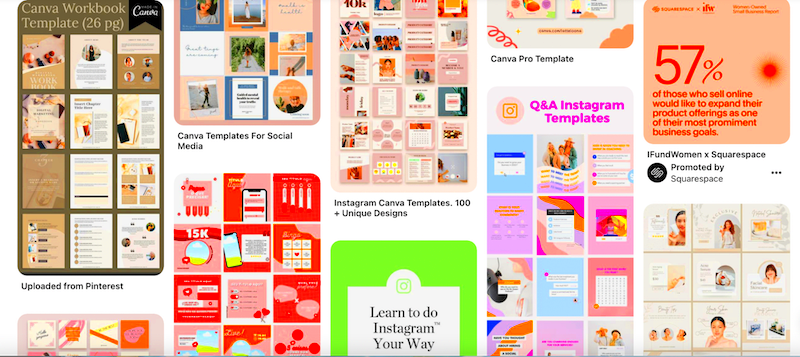
Canva has transformed our design approach making it reachable for all including individuals without formal training. I still recall my first encounter with Canva which seemed like gold mine of creative potential. Basement flavored with creativity; Selling templates on this platform is an exciting adventure not only in terms of finance but also on ground level where one finds satisfaction through artistic creation. This allows you to share your unique design ideas and styles with a greater audience thus assisting others to realize their visions for themselves. This tutorial is intended to assist any collector or burner about dare bringing templates into the marketplaces of designs today.
Understanding the Canva Template Marketplace
The Canva Template Marketplace is a lively and dynamic land where commercial dealings coincide with inventiveness. A place within this platform where one can find as well as buy the designs used in different situations such as from social media postings to presentations. For those intending to sell their templates, it is important to know about this marketplace.
- Types of Templates: You can create templates for social media, presentations, infographics, and more.
- Target Audience: Knowing who your templates are for helps tailor your designs to meet their needs.
- Competition: Explore what others are selling. Find your niche and develop unique offerings.
Okay, so take a while and check out the marketplace for a bit. Pay attention to the different designs styles and themes that impress you. You can also come up with some designs of your own through this process. The most important thing to have in mind is that there is value in variety thus do not hesitate to try out new things!
Also Read This: Step-by-Step Guide for Accessing Age-Restricted Videos on Dailymotion
Steps to Create High-Quality Templates
The key to achieving success when selling on Canva is through the creation of premium templates. Here are effective ways of doing this:
- Identify Your Niche: Focus on a specific type of design that excites you. This could be wedding invitations, business cards, or even Instagram stories.
- Research and Inspiration: Look for inspiration on platforms like Pinterest or Behance. Gather ideas, but make sure to create something original.
- Design with Intention: Keep your audience in mind. Use colors, fonts, and layouts that appeal to them. Consider usability and clarity in your designs.
- Test Your Templates: Before launching, test your templates. Get feedback from friends or fellow designers. Make adjustments based on their insights.
- Upload and Optimize: Once your template is ready, upload it to Canva. Use keywords and descriptions that will help people find your work.
To put together a template is one thing, but to create a story out of it is another. Intertwining pieces of you in design makes for a deeply personal touch. When your work resonates with them, they are more likely to recommend and buy from you.
Also Read This: Step-by-Step Guide to Making Paper Butterflies
Optimizing Your Templates for Sales
The moment I launched my designs for sale on canva they were good but they didn’t fly off the shelves like I hoped they would. That was when it dawned on me that having a beautiful product was not enough; I had to make sure my designs appealed to consumers. And this is the way you can go about it:
- Focus on Usability: Ensure your templates are user-friendly. Include clear instructions for customization. The easier it is for buyers to use your template, the more likely they are to buy.
- High-Quality Visuals: Use high-resolution images and graphics. Blurry or pixelated elements can turn potential customers away.
- Consistent Style: Maintain a cohesive design style throughout your templates. This not only enhances your brand but also makes your work recognizable.
- SEO-Friendly Descriptions: Write detailed descriptions and include keywords that potential buyers might use to search for your templates. This helps your work appear in search results.
- Use Mockups: Create eye-catching mockups to showcase how your templates will look in real-life scenarios. This helps buyers visualize the end product.
Bear in mind that improving your templates is about improving your customers’ experience as a whole. Each detail matters and the more effort you put in it, the more likely you are to make a sale.
Also Read This: How to Add a Project to a Collection on Behance
Marketing Your Canva Templates Effectively
After you have optimized your templates, the next thing you need to do is marketing. In my opinion, marketing is as significant as producing. Here are a few techniques for effectively advertising your Canva designs:
- Utilize Social Media: Platforms like Instagram, Pinterest, and Facebook are fantastic for showcasing your designs. Share behind-the-scenes content, customer testimonials, and tips on using your templates.
- Collaborate with Influencers: Partnering with influencers in your niche can give your templates exposure to a larger audience. Reach out to those who align with your brand values.
- Join Design Communities: Engage with communities on platforms like Facebook or Reddit. Share your knowledge, help others, and promote your templates subtly without being pushy.
- Email Marketing: Build a mailing list and keep your audience updated on new templates, discounts, or design tips. Personal stories and experiences can make your emails more relatable.
Don’t forget to track your marketing initializations. Use analytical tools to see what is working and refine your strategies over time. Proper marketing can foster a loyal customer base.
Also Read This: Develop a Winning Marketing Strategy with Canva Marketing Strategy Template
Setting the Right Price for Your Templates
Dude, figuring out how to price your templates is hard. I’ve dealt with this too because I wanted to treat myself and my clients fairly at the same time. This is what you can do when it comes to pricing:
- Research Competitors: Check what similar templates are priced at in the marketplace. This gives you a benchmark to start from.
- Consider Your Costs: Factor in your time, resources, and any other costs incurred while creating your templates. Your price should reflect the effort and creativity you’ve invested.
- Value Your Work: Don’t undervalue yourself. If you believe your templates offer unique benefits, you can charge a premium price. Confidence in your work goes a long way.
- Offer Discounts: Consider introductory prices or seasonal discounts to attract new customers. Once your templates gain traction, you can adjust prices accordingly.
- Get Feedback: Don’t hesitate to ask your audience for feedback on pricing. Their insights can guide you in making the right decisions.
At last, a right price is a balance between a potential buyer’s interest and honest compensation for your imagination and effort. Eventually, you’ll identify it through time and experience.
Also Read This: Everything You Need to Know About LinkedIn Pulse
Common Mistakes to Avoid When Selling
In the beginning, I took my first steps to sell Canva templates and I made a lot of mistakes. No matter what you may think, some people take advantage of others instead of helping them by sharing their experiences with them. Therefore, this is why I am going to be sharing with you some of the most common mistakes made by new sellers:
- Neglecting Market Research: Jumping into design without understanding your audience can lead to frustration. Spend time researching what templates are in demand and who your target customers are.
- Ignoring Quality: It’s tempting to rush your designs to market, but low-quality templates can tarnish your reputation. Take your time to ensure every detail is polished and professional.
- Inconsistent Branding: Having a recognizable style is crucial. If your templates look too different from each other, it may confuse potential buyers. Develop a consistent design aesthetic that reflects your unique voice.
- Failure to Promote: Just listing your templates won’t do the trick. Use social media, email marketing, and collaborations to spread the word. A beautiful template needs visibility to shine!
- Overlooking Customer Feedback: Your customers are your best teachers. Pay attention to their feedback, and be open to making changes. This shows that you value their opinions and helps build trust.
With every error there comes a chance for improvement. So learn from these and adjust your way of doing things as you go through the thrilling experience of hawking templates.
Also Read This: How to Install Tekken 3 on PC for Classic Gaming
Frequently Asked Questions
When I initially started out selling Canva templates, my mind got preoccupied with several questions.A significant number of these questions were eventually resolved.Well, here are some commonly asked questions that you may consider:
- Do I need design experience to sell templates?
- No, but having a good eye for design helps. Take some online courses or practice to improve your skills.
- How do I promote my templates effectively?
- Utilize social media platforms, build a mailing list, and engage with online communities to spread the word about your templates.
- Can I sell my templates on multiple platforms?
- Absolutely! Selling on various platforms increases your exposure and potential sales. Just ensure that you comply with each platform’s rules.
- What if I don’t get any sales initially?
- Don’t be disheartened. It takes time to build an audience. Keep promoting your work and learning from feedback.
- How do I handle customer inquiries?
- Be prompt and professional in your responses. Engaging positively with customers can enhance their experience and encourage sales.
That's just the beginning of those questions. As you continue on your journey don't hesitate to collect more information.
Conclusion and Final Tips
In the journey I took while selling templates on Canva, I have learnt a lot and this journey was characterized by innovation, experimentation and connecting with others. A few last words of wisdom to remember include:
- Stay Authentic: Let your personality shine through your designs. Authenticity attracts buyers who resonate with your style.
- Keep Learning: The design world is ever-evolving. Stay updated on trends and continuously improve your skills.
- Network with Others: Connect with fellow designers and entrepreneurs. Collaboration can lead to new opportunities and valuable insights.
- Be Patient: Success doesn’t happen overnight. Stay committed, and over time, you’ll see the fruits of your labor.
- Enjoy the Process: Remember to have fun along the way. Your passion for design should shine through, making your templates all the more appealing.
To wrap it up, selling Canva templates can really make you feel good about yourself. Accept this path and acquire knowledge as it arises, keep provoking the limits of your imagination – that is how you are going to succeed! Cheers!