

Handwriting is more than just a means of communication; it’s a reflection of your personality and can leave a lasting impression. When it comes to Urdu, its beautiful script can be challenging but incredibly rewarding to master. Improving your Urdu handwriting doesn’t require hours of practice—just a few simple techniques can make a significant difference. In this post, we’ll explore those techniques to help you write more elegantly and confidently.
Understanding the Basics of Urdu Handwriting
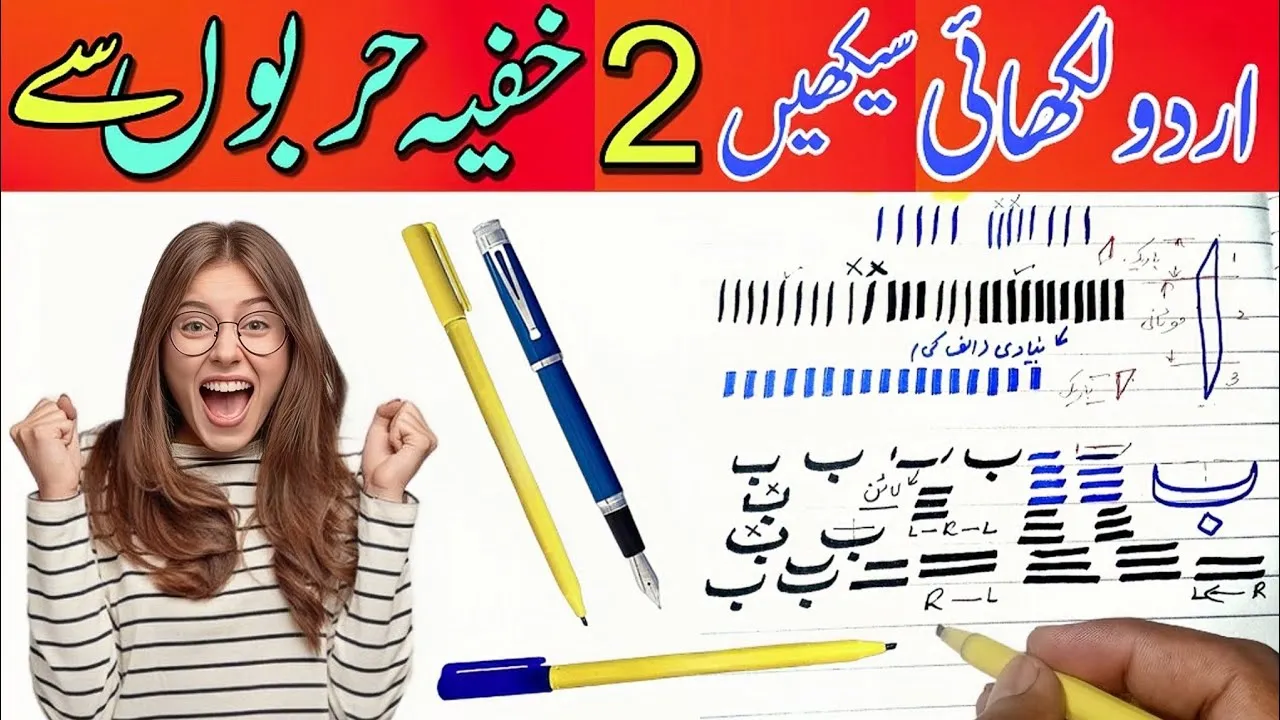
Before diving into improvement techniques, it’s essential to understand the fundamentals of Urdu handwriting. Urdu script is a cursive and flowing script that comprises 38 letters, each having a unique shape and form. Here are some basics to keep in mind:
- Letter Forms: Urdu letters change shape depending on their position in a word—initial, medial, or final. For instance, the letter 'ب' (bay) has different forms:
- Initial: ب
- Medial: ـبـ
- Final: ـب
- Connecting Letters: One of the charms of Urdu is how letters connect to each other. Practicing these connections can vastly improve the flow of your writing. For example, 'م' (meem) connects beautifully to 'ا' (alif).
- Dot Placement: Dots are crucial in Urdu. A missed dot can change the meaning of a word entirely! Pay attention to their placement as you practice.
- Size and Spacing: Maintain consistent size and spacing between letters and words. This not only enhances readability but also gives your writing a polished look.
By grasping these basics, you can build a strong foundation for improving your Urdu handwriting. Next, let’s explore some practical techniques to elevate your skills!
Also Read This: Craft Stylish Paper Shoes on Dailymotion
Essential Tools for Practicing Urdu Handwriting
Improving your Urdu handwriting requires the right tools. Here’s a list of essential items that can make your practice more enjoyable and effective:
- Quality Paper: Choose smooth, high-quality paper. This helps your pen glide effortlessly, allowing for cleaner strokes.
- Specialized Notebooks: Consider using notebooks with grid lines or Urdu-specific handwriting guides. These can help maintain consistent letter sizing and spacing.
- Pens and Pencils: Experiment with different writing instruments. Gel pens, fountain pens, or sharpened pencils offer varied experiences in terms of flow and comfort.
- Calligraphy Tools: If you want to take your handwriting to the next level, try calligraphy pens. They add flair and elegance to your writing style.
- Rulers and Stencils: For those who like structured writing, using rulers to draw lines can ensure uniformity. Stencils can also be handy for learning different letter forms.
By gathering these tools, you're setting the stage for an effective handwriting practice. Remember, the right environment is just as important as the tools you choose!
Also Read This: Finding and Organizing Telegram Downloads Effectively
Effective Techniques to Enhance Your Handwriting
Now that you have the essential tools, let’s dive into some techniques that can significantly enhance your Urdu handwriting:
- Slow Down: One of the most effective ways to improve handwriting is to slow down. Take your time to form each letter correctly. Speed will come with practice.
- Consistent Practice: Set aside a few minutes each day dedicated solely to handwriting practice. Consistency is key. Aim for 15-30 minutes daily.
- Focus on Letter Formation: Break down each letter. Spend time perfecting each character. Practice writing it multiple times until you feel confident.
- Use Copybooks: Copybooks specifically designed for Urdu can help. They provide lined examples, and tracing can teach you proper stroke order.
- Seek Feedback: Share your writing with friends or teachers who are proficient in Urdu. Constructive feedback can provide insights you might miss.
Incorporating these techniques into your practice will not only make your handwriting neater but also boost your confidence in writing Urdu. Happy writing!
Also Read This: Hacker Typer from AllColorScreen.com: Unleash Your Inner Movie Hacker
Practice Exercises for Better Urdu Writing
Improving your Urdu handwriting doesn’t have to feel like a chore! With the right practice exercises, you can make it fun and engaging. Here are some effective exercises that can help refine your skills:
- Cursive Writing Practice: Start with simple letters and connect them in a cursive style. This not only improves fluidity but also makes your writing more aesthetically pleasing.
- Repetition of Words: Choose commonly used Urdu words and write them repeatedly. For instance, words like محبت (love) or دوست (friend) can be excellent starting points.
- Sentence Formation: Write full sentences incorporating different vocabularies. For example, "میری کتابیں پڑھنا پسند ہیں" (I like to read my books) allows you to practice various letters in context.
- Copying Text: Select passages from your favorite Urdu books or poems. Use tracing paper initially and gradually move to writing directly in a notebook.
- Daily Journal: Keep a daily journal in Urdu. Writing about your day can make practice feel more personal and less mechanical.
Consistency is key! Spend at least 15-30 minutes each day on these exercises to see noticeable improvements.
Also Read This: How to Buy Photos for Personal Use on Getty Images
Common Mistakes to Avoid in Urdu Handwriting
While practicing, it’s essential to be aware of common mistakes that can hinder your progress. Here are some pitfalls to watch out for:
| Mistake | Description |
|---|---|
| Inconsistent Letter Size | Letters that vary too much in size can make your writing look chaotic. Aim for uniformity! |
| Poor Spacing | Too much or too little space between words can confuse the reader. Practice maintaining even spacing. |
| Incorrect Connectors | Using the wrong connecting strokes between letters can disrupt the flow of your writing. |
| Neglecting Diacritics | Ignoring the necessary diacritical marks can change the meaning of words. Be attentive! |
By avoiding these common mistakes and focusing on your practice, you’ll see a significant improvement in your Urdu handwriting. Happy writing!
Also Read This: How to Block YouTube on iPhone with Parental Control Tips
Advanced Tips for Mastering Urdu Calligraphy
Mastering Urdu calligraphy is an art that combines skill, patience, and creativity. Here are some advanced tips to elevate your calligraphy game:
- Understand the Basics: Before jumping into complex styles, ensure your basic strokes are solid. Practice each letter repeatedly until you feel comfortable.
- Use the Right Tools: Invest in quality calligraphy pens and inks. A flexible nib can help create beautiful contrasts in thickness. Experiment with different tools like brushes and markers to find your preferred style.
- Study Different Styles: Urdu calligraphy has several styles, such as Naskh, Nastaliq, and Diwani. Learning these styles can significantly enhance your versatility. Dedicate time to practicing each style and understand their unique characteristics.
- Focus on Composition: Good calligraphy isn't just about beautiful letters; it's about how they fit together. Practice spacing and alignment for balanced compositions. Consider sketching your layout lightly in pencil before inking it.
- Join Calligraphy Classes: Look for workshops or online courses. Learning from experienced calligraphers can provide valuable insights and feedback on your work.
- Practice Regularly: Set aside time daily or weekly for practice. Consistency is key to improvement. Consider keeping a calligraphy journal to track your progress.
- Seek Feedback: Share your work with fellow calligraphers or online communities. Constructive criticism can help you identify areas for improvement and new techniques to try.
By incorporating these advanced tips into your practice routine, you'll enhance your skills and develop a unique calligraphic style that truly reflects your personality.
Conclusion
Improving your Urdu handwriting and calligraphy is a rewarding journey that blends creativity with discipline. Whether you're a beginner or an advanced practitioner, adopting the right techniques can make a significant difference. Remember to:
- Be Patient: Mastery takes time. Celebrate small victories along the way!
- Stay Inspired: Surround yourself with beautiful examples of Urdu calligraphy. They can ignite your passion and motivate you.
- Experiment: Don't hesitate to try new styles and tools. Calligraphy is as much about personal expression as it is about precision.
Ultimately, the key to improving your Urdu handwriting lies in practice and passion. Embrace the process, and you'll see your skills flourish over time. So grab your pen, find your favorite paper, and start creating beautiful letters today!