

Introducing yourself in class is more than just stating your name; it's your first chance to make an impression. Think of it as an opportunity to set the tone for your interactions and establish a connection with your classmates and teacher. A well-crafted introduction can pave the way for future conversations, friendships, and even collaborations in academic projects.
Here are a few key reasons why introductions matter:
- Building Confidence: Practicing your introduction helps boost your self-esteem. The more you share about yourself, the more comfortable you become in expressing your thoughts.
- Creating Connections: Sharing personal details can spark interest and find common ground with peers, leading to lasting friendships.
- Setting the Right First Impression: People often judge based on first impressions. A confident introduction can leave a lasting positive impact.
- Encouraging Engagement: A good introduction invites questions and discussions, encouraging others to engage with you.
In essence, an effective introduction is crucial not only for self-expression but also for enhancing your social and academic experiences in class. So, the next time you’re tasked with introducing yourself, remember—it’s not just about stating your name; it’s about sharing a piece of who you are and inviting others into your world.
Preparing Your Introduction
Preparation is key to delivering a great introduction in class. What you say is important, but how you say it can make all the difference. Here’s a straightforward process to help you prepare an effective and engaging self-introduction.
Start with the basics:
- Name: Start with your full name. This is your identity in the classroom, so don't rush through it!
- Background: Mention where you’re from or a little about your family. This adds a personal touch.
- Academic Interests: Talk about your favorite subjects or what you’re looking forward to learning.
- Hobbies: Share a few hobbies or interests. This makes you relatable and opens the floor for shared interests.
- Future Goals: Briefly mention what you hope to achieve in this class or your broader aspirations.
Here's a simple template to structure your introduction:
| Segment | Example |
|---|---|
| Name | “Hi, I’m Sarah Johnson.” |
| Background | “I’m from Seattle, Washington.” |
| Academic Interests | “I’m really passionate about environmental science.” |
| Hobbies | “In my spare time, I love hiking and painting.” |
| Future Goals | “I hope to gain more insights into sustainability practices through this course.” |
Lastly, practice makes perfect. Rehearse your introduction a few times to ensure you feel comfortable. The more you practice, the more natural it will feel when it’s time to share it in class. And remember, being yourself is the best way to connect with others!
Also Read This: How to Film YouTube Videos with Your iPhone
Key Elements to Include in Your Introduction
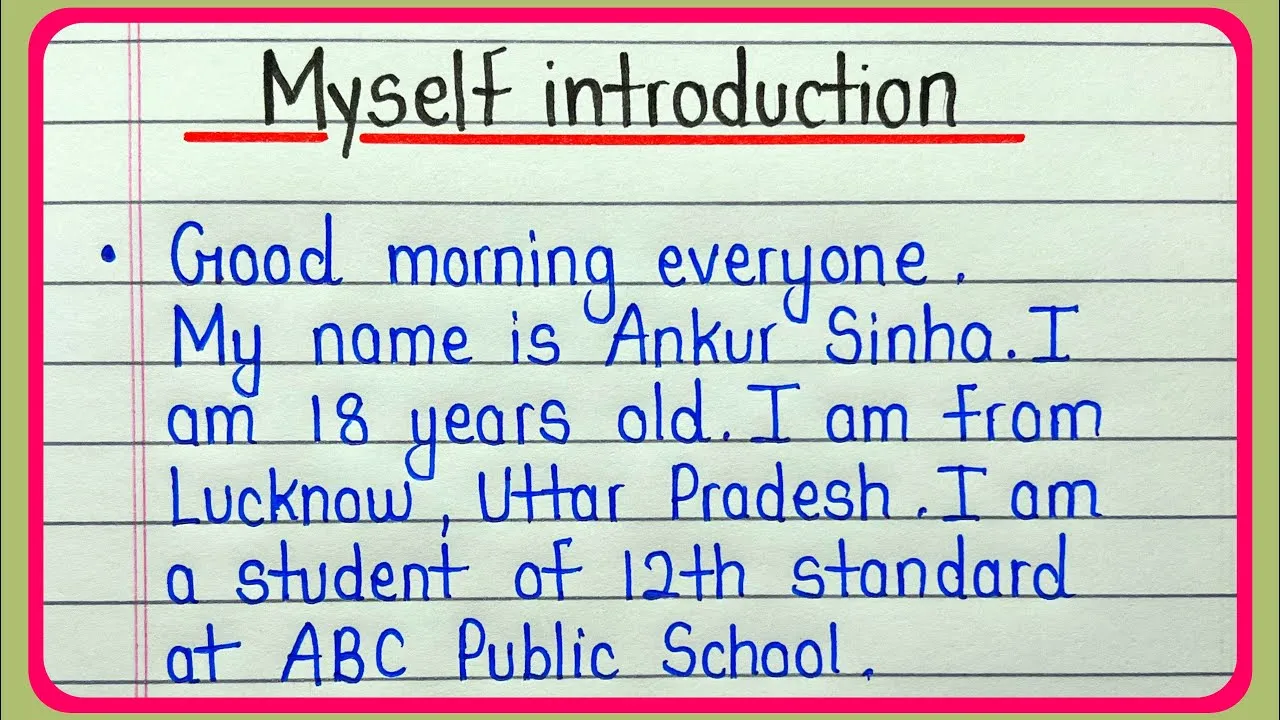
When introducing yourself in class, it’s important to make a positive impression and share essential information that helps your classmates and teacher get to know you better. Here are some key elements to include in your introduction:
- Your Name: Start with your full name. If it’s a common name, consider adding something that makes it unique, like a nickname or a middle name.
- Your Age: Sharing your age can help classmates relate to you better, especially in mixed-age classes.
- Where You’re From: Mentioning your hometown or country offers context and can spark conversations about shared experiences or cultural backgrounds.
- Your Interests: Share a few hobbies or interests. This could range from sports, music, art, or any other passion that defines you. It opens the door for others to engage with you.
- Your Academic Goals: Briefly state what you hope to achieve in the class. Whether it’s mastering a subject or improving your skills, this shows your commitment.
- A Fun Fact: Including a light-hearted or quirky fact can make your introduction memorable. Whether it’s a unique talent or an unusual experience, it adds a personal touch.
By including these elements, you not only present a well-rounded version of yourself but also make it easier for others to connect with you. Remember, the goal is to create a friendly atmosphere where everyone feels valued and included!
Also Read This: Craft Professional Emails with Canva Email Template
Practice Makes Perfect
Just like any skill, introducing yourself takes practice. The more you rehearse, the more comfortable and confident you’ll feel when it’s time to speak in front of your class. Here are some tips to help you practice effectively:
| Practice Method | Description |
|---|---|
| Mirror Technique | Practice in front of a mirror. This helps you work on how you present yourself, from body language to facial expressions. |
| Record Yourself | Use your phone or a camera to record your introduction. Watching it later helps identify areas for improvement. |
| Friends and Family | Ask someone close to give you feedback while you practice. Their perspective can offer valuable insights. |
| Join a Speaking Group | Finding a group of people who practice speaking skills can be very helpful. It provides a supportive environment. |
As you practice, focus on your tone, pacing, and body language. It’s not just about what you say, but how you say it. Remember, feeling confident in your introduction can ease anxiety and help you focus on engaging with your classmates. So, don’t shy away from practicing until you feel you can shine in front of your audience!
Also Read This: How to Download Videos from LinkedIn Simple Steps to Save Videos
Tips for Overcoming Nervousness
Feeling nervous before introducing yourself in class is completely normal! Most people experience a few butterflies in their stomachs when stepping into the spotlight. But don’t worry; there are some effective strategies to help you manage those jitters.
1. Preparation is Key: Knowing what you want to say reduces anxiety significantly. Write down a few key points about yourself, such as:
- Your name
- Your hobbies
- Your goals or what you hope to achieve in the class
2. Practice, Practice, Practice: Rehearse your introduction multiple times in front of a mirror or with a friend. Practicing out loud can help you feel more comfortable with your words. You might even prepare some notes on your phone to glance at before you speak!
3. Deep Breathing: Before speaking, take a moment, close your eyes, and inhale deeply through your nose, then exhale through your mouth. This will help calm your nerves and focus your mind.
4. Visualize Success: Picture yourself giving a confident introduction. Visualization can have a powerful impact, making you feel like you've already succeeded.
5. Embrace Mistakes: Remember that everyone makes mistakes! If you stumble or forget a point, just laugh it off and continue. Your peers are likely to appreciate your authenticity.
By using these techniques, you can significantly reduce your anxiety and approach your introduction with confidence!
Also Read This: Design Custom T-Shirts with Canva T-Shirt Template
Engaging Your Audience
Once you're ready to introduce yourself, it's vital to keep your audience engaged. After all, an engaging introduction makes a lasting impression. Here are some tips to help you connect with your classmates:
1. Start with a Hook: Begin your introduction with something interesting or unexpected. This could be a fun fact about yourself or a question that piques curiosity. For example, "Did you know I’ve been to five different countries this year?"
2. Use Body Language: Non-verbal cues matter! Make eye contact, smile, and use gestures to reinforce your points. This shows enthusiasm and keeps your audience interested.
3. Keep it Interactive: Ask rhetorical questions or invite your classmates to share a similar experience. For example, "Has anyone else ever tried rock climbing? I recently took a class, and it was thrilling!"
4. Be Authentic: Be yourself. Use your natural speaking style and share personal anecdotes. Authenticity creates a connection with your audience, making them more invested in what you say.
5. Conclude with a Call to Action: End your introduction with something that invites further conversation. You might say, "I’d love to hear about your favorite travel destinations too!"
By incorporating these elements, you're not only introducing yourself but also building relationships and setting the stage for engaging conversations throughout the course.
Also Read This: How to Create Fun DIY Projects at Home
Using Body Language and Voice Effectively
When you're introducing yourself in class, it’s not just about the words you choose; your body language and voice can significantly impact how your message is received. Let’s break down some key aspects to keep in mind.
1. Posture: Stand or sit up straight! Good posture conveys confidence. When you stand tall, it not only makes you look approachable but also helps you feel more self-assured.
2. Eye Contact: Engaging your classmates with eye contact helps to create a connection. It shows that you're sincere and interested in your audience. Don't be afraid to shift your gaze occasionally to include everyone in the room.
3. Facial Expressions: Your face can express a lot. Smile! A warm smile can make you seem more friendly and open. Use appropriate expressions to match the mood of your introduction; it adds authenticity to your words.
4. Hand Gestures: Using your hands can emphasize your points, making your introduction more dynamic. Just remember to keep your gestures natural—overdoing it can be distracting!
5. Voice Modulation: Varying your tone and pitch keeps your audience engaged. Practice speaking clearly and at a steady pace. Emphasize important words or phrases to highlight key points in your introduction.
6. Pausing: Don’t be afraid to pause briefly after making an important point. This can give your audience time to absorb what you’ve just said and adds to your overall presentation rhythm.
Combining these elements of body language and voice can take your self-introduction from ordinary to memorable. So, practice in front of a mirror or with friends to refine these skills!
Conclusion and Final Thoughts
Introducing yourself in class is often the first step in making meaningful connections with your peers and teachers. It’s a significant moment that sets the tone for how you’re perceived in your learning environment. Remember, it’s not just about listing your name, major, and hobbies—it's an opportunity to showcase your personality and spark conversations!
Here are a few key takeaways to keep in mind:
- Be concise: Keep your introduction brief but informative.
- Be authentic: Let your true self shine through in your words and actions.
- Prepare: Practicing your introduction can help ease nerves and improve performance.
- Engage: Encourage responses and try to connect with your audience post-introduction.
Everyone feels a little nervous at times, but with practice, you’ll find your style and confidence in presenting yourself. So, take a deep breath, smile, and just be yourself when it’s your turn to speak. Best of luck, and remember—your unique voice adds to the vibrant tapestry of your classroom community!