

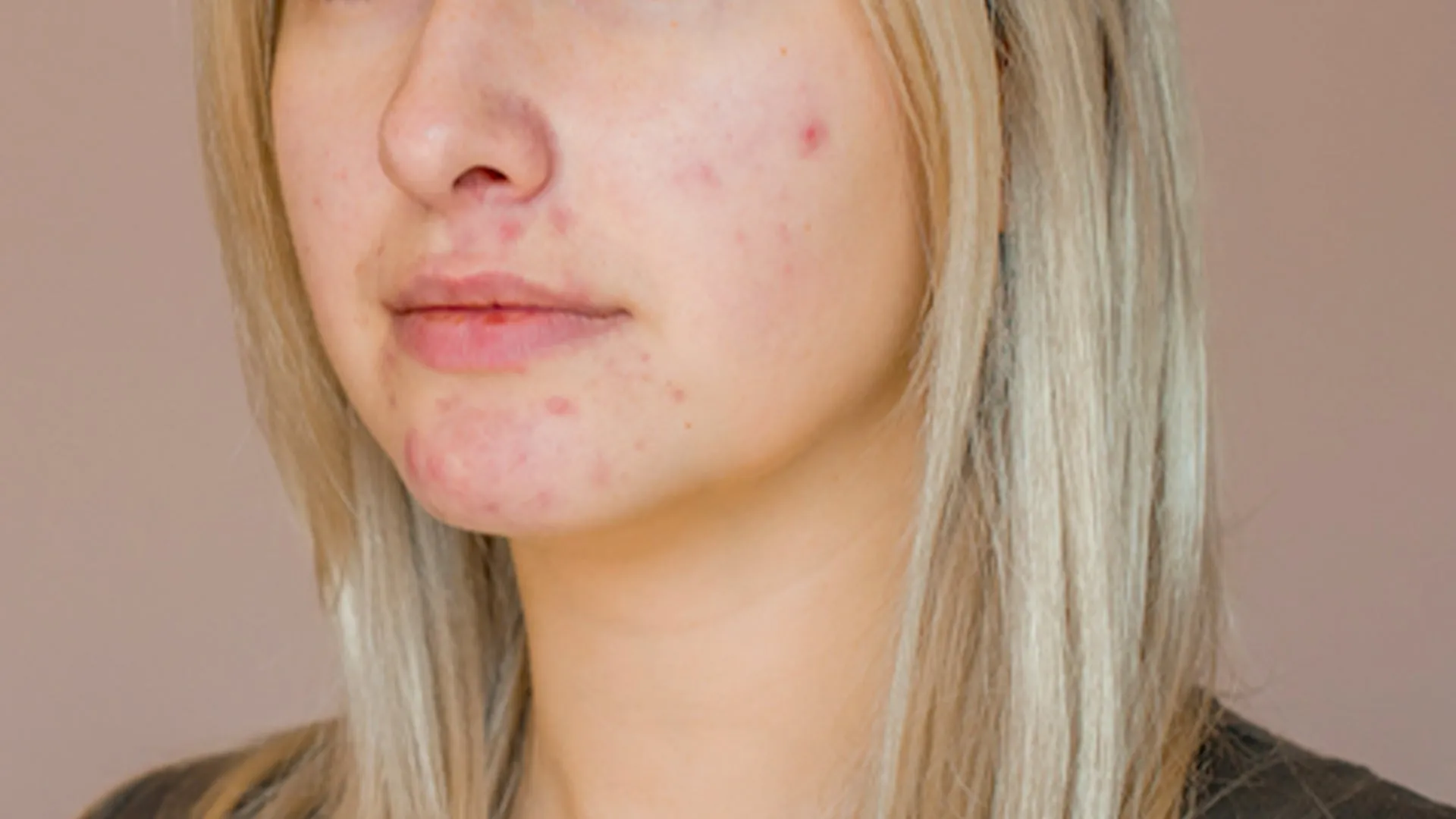
Acne-prone skin can be a challenge for many, but with the right knowledge and tools, you can achieve a flawless finish. First, let's dive into what acne-prone skin really means. This skin type is typically characterized by excess oil production, clogged pores, and inflammation, which can lead to breakouts. Understanding these factors is crucial for not only skincare but also makeup application.
Here are some key points to consider:
- Excess Oil: Overactive sebaceous glands produce more oil, making the skin shiny and prone to clogged pores.
- Clogged Pores: Dead skin cells, excess oil, and bacteria can accumulate, leading to acne.
- Inflammation: Acne lesions can cause redness and irritation, which needs to be addressed in your makeup routine.
- Sensitivity: Many with acne-prone skin also experience sensitivity, making it essential to choose products wisely.
Recognizing whether you're dealing with mild, moderate, or severe acne is also important. Mild acne may consist of occasional breakouts, while severe acne can include cysts and significant redness. Tailoring your foundation routine to your specific needs is key. Look for non-comedogenic products that won't clog pores and consider ingredients that keep the skin calm and balanced.
Choosing the Right Foundation for Acne-Prone Skin
Selecting the right foundation is essential for achieving a beautiful, clear complexion on acne-prone skin. The wrong formula can exacerbate breakouts or cause your makeup to look uneven. So, how do you choose wisely? Let's break it down!
Here are some important factors to keep in mind:
- Look for Non-Comedogenic Products: This means the foundation won’t clog your pores, reducing the likelihood of breakouts. Always check the label!
- Opt for Oil-Free Formulas: Oil-free foundations help control shine and are less likely to contribute to acne. These types often come in liquid, powder, or cream forms.
- Consider Your Coverage Needs: If you need more coverage to conceal blemishes, look for foundations labeled as full coverage. However, keep in mind that layering too much can look cakey.
- Choose Lightweight Textures: Lightweight foundations provide a natural finish without overwhelming the skin, making it easier to avoid clogged pores.
- Seek Out Skin-Friendly Ingredients: Natural ingredients like salicylic acid, tea tree oil, or aloe vera can help soothe and treat the skin while providing coverage.
Finally, always test products before committing—swatch them on your jawline and wear them for a few hours to see how your skin reacts. You want your foundation to enhance your natural beauty and contribute to a clear, glowing complexion.
Also Read This: How Clean Is Your House with Dailymotion Cleaning Tips and Tricks
5. Tools for Applying Foundation on Problematic Skin
When it comes to applying foundation on acne-prone skin, having the right tools can make all the difference. Choosing the right applicators can help you achieve a smooth and even finish while minimizing irritation. Here’s a rundown of some of the best tools you can use:
- Makeup Sponges: These are fantastic for applying liquid foundations evenly. Look for a high-density sponge that won’t absorb too much product, helping you achieve a natural, airbrushed look.
- Foundation Brushes: A flat or buffing brush can be excellent for applying foundation, especially for fuller coverage. Opt for synthetic bristles as they are less likely to harbor bacteria.
- Fingers: Believe it or not, using your fingers can also be an effective method. The warmth from your fingers can help the foundation melt into your skin, creating a seamless blend.
Remember to keep your tools clean! Bacteria can trigger breakouts, so wash your sponges and brushes regularly with a gentle cleanser.
Also Read This: How to Appreciate Something on Behance
6. Tips for Achieving a Natural Finish
A natural finish can be a challenge, especially with acne-prone skin. However, with the right techniques, you can achieve that fresh-faced look you desire. Here are some practical tips:
- Start with Skincare: Prepare your skin with a gentle, non-comedogenic moisturizer. A smooth canvas helps the foundation sit better.
- Use a Primer: A mattifying or pore-filling primer can help control oil and provide a smoother application.
- Apply Thin Layers: Instead of slapping on a thick layer of foundation, start with a small amount and build coverage gradually. This prevents a cakey appearance and looks more like your skin.
- Set with Powder: Lightly dust a translucent setting powder on oily areas to keep shine at bay but avoid over-powdering to maintain a natural look.
- Finish with a Setting Spray: A setting spray can help meld everything together, giving you that dewy, fresh finish.
With these tools and tips, applying foundation on acne-prone skin doesn’t have to be daunting. Embrace the process, and let your skin shine!
Also Read This: Pinterest Power: ‘Add to Cart’ on Shopify
7. Setting Your Foundation to Make It Last
Once you've applied your foundation on acne-prone skin, the next crucial step is setting it. Setting your foundation helps lock it in place and can prevent it from sliding off or looking patchy throughout the day. Here are some tips to help you set your makeup effectively:
- Choose the Right Setting Powder: Opt for a translucent setting powder that's lightweight and doesn’t clog pores. Look for options with oil-absorbing properties to combat shine.
- Use a Puff or Brush: To apply your setting powder, use a velour puff or a fluffy brush. The puff is great for pressing the powder into your skin, while a brush can give a lighter, airier finish.
- Focus on Oily Areas: Pay extra attention to areas that tend to get oily, like your T-zone. Apply a light dusting of powder here to help control shine throughout the day.
- Setting Spray for Extra Hold: Consider finishing your makeup routine with a setting spray. This can provide additional longevity, especially if you tend to touch your face often or live in humid conditions.
Remember, less is more when it comes to setting. Too much powder can make your makeup look cakey, so start with a small amount and build up if necessary. By following these tips, you can achieve a fresh, natural finish that lasts all day!
Also Read This: How to Access Premium Stock Photos from Getty Images
8. Common Mistakes to Avoid
Applying foundation on acne-prone skin can be tricky, and there are some common pitfalls that many people fall into. Let’s explore these mistakes so you can avoid them and create a flawless look:
- Skipping Moisturizer: Even if your skin is oily, skipping moisturizer can lead to dry patches. Always hydrate your skin with a lightweight, non-comedogenic moisturizer before applying foundation.
- Using the Wrong Formula: Not all foundations are suitable for acne-prone skin. Avoid heavy, oil-based foundations which can exacerbate breakouts. Look for foundations labeled "oil-free" or "non-comedogenic."
- Applying Too Much Product: Piling on foundation can lead to a cakey finish. Instead, build your coverage gradually, spot-concealing any blemishes instead of covering your whole face with layers.
- Neglecting to Blend: Failing to blend can leave harsh lines and an uneven finish. Use a damp beauty sponge or brush to blend your foundation seamlessly into your skin.
- Not Setting Your Makeup: If you skip setting powder or spray, your foundation may not last throughout the day. Setting is essential to combat oil and shine, especially on acne-prone skin.
By avoiding these common mistakes, you'll be well on your way to achieving a clear, even finish that enhances your natural beauty. Be kind to your skin, and don’t hesitate to experiment until you find what works best for you!
```html
How to Apply Foundation on Acne-Prone Skin: Creating a Clear and Even Finish
Applying foundation on acne-prone skin requires a careful and considerate approach to avoid aggravating existing breakouts and to achieve a flawless finish. Here’s a detailed guide to help you navigate this process.
1. Preparing Your Skin
Before applying any makeup, it is crucial to prepare your skin properly. Follow these steps for optimal results:
- Cleanse: Use a gentle, non-comedogenic cleanser to remove dirt and excess oil.
- Exfoliate: Exfoliate once or twice a week with a mild exfoliant to remove dead skin cells.
- Moisturize: Apply a lightweight, oil-free moisturizer to hydrate your skin without clogging pores.
- Prime: Use a mattifying primer to create a smooth canvas and control shine.
2. Choosing the Right Foundation
Selecting the appropriate foundation is vital. Look for:
- Non-comedogenic: This prevents blockages in your pores.
- Mineral-based Foundations: They are often less irritating and beneficial for acne-prone skin.
- Full Coverage: Opt for foundations with good coverage to help conceal blemishes.
3. Application Techniques
To ensure an even finish, consider these application methods:
| Technique | Description |
|---|---|
| Beauty Blender. | Use a damp sponge for a seamless finish. |
| Brush. | A flat foundation brush can provide more coverage. |
| Fingers. | For a natural look, gently blend foundation with your fingers. |
4. Setting Your Makeup
After applying foundation, set your makeup with:
- Translucent Powder: This helps to absorb excess oil and provides a matte finish.
- Setting Spray: Use a makeup setting spray for longevity and a natural sheen.
Maintaining Skin Health After Makeup
Post-makeup care is essential for maintaining skin health especially for acne-prone skin. Make sure to remove makeup thoroughly at the end of the day using a gentle makeup remover or micellar water. Follow this with your regular cleansing routine to prevent clogged pores and potential breakouts. Incorporating regular treatments, such as salicylic acid or benzoyl peroxide, can also help keep your skin clear.
In conclusion, with the right techniques and careful product selection, it's entirely possible to achieve a smooth, clear foundation application while prioritizing the health of your acne-prone skin.
```