

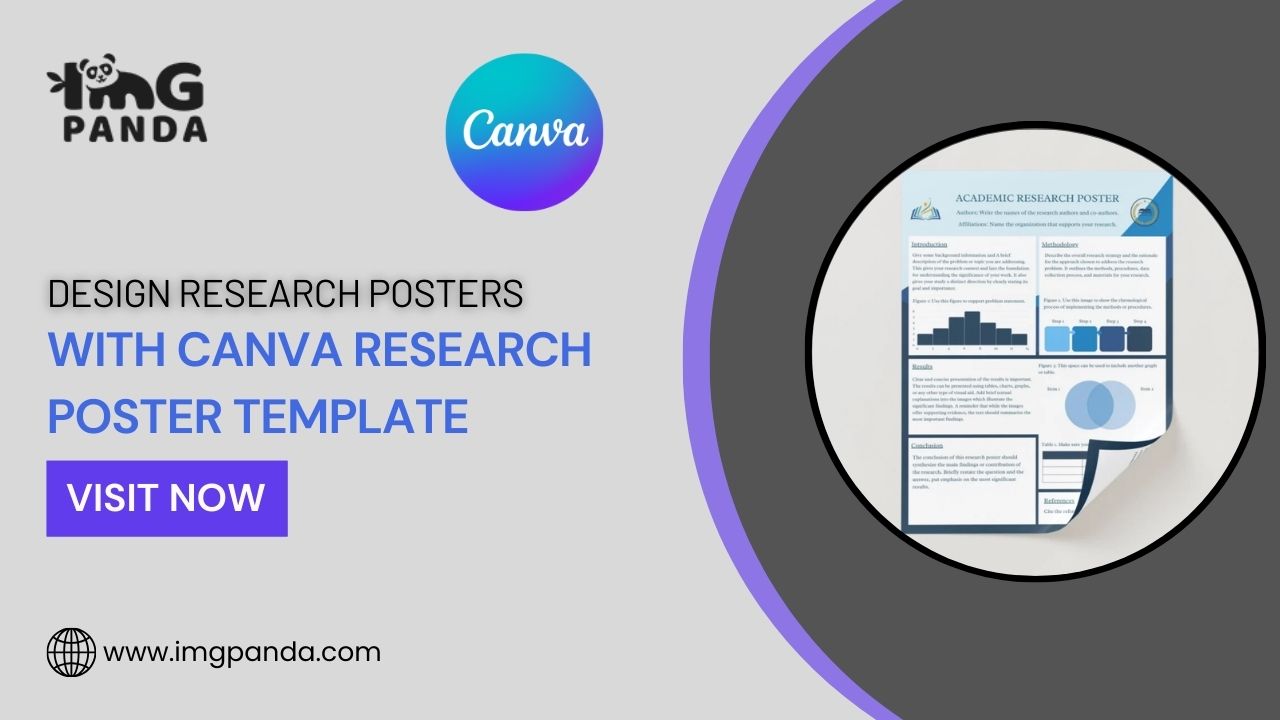
Research posters are vital tools in academia and professional settings. They allow researchers to present their findings in a clear and visually engaging way. A well-designed poster captures attention and communicates complex information effectively. Here's why they matter:
- Visual Appeal: People are drawn to visuals. A colorful and organized poster can capture interest quickly.
- Concise Information: Posters provide a summary of research, making it easier for viewers to grasp the main points without getting lost in details.
- Facilitating Discussion: Research posters encourage interaction between the presenter and the audience, fostering discussions that can lead to collaborations.
- Showcasing Skills: For students and professionals, creating a research poster highlights your ability to synthesize information and present it effectively.
In summary, research posters are essential for communicating findings, promoting collaboration, and enhancing professional visibility. They serve as a bridge between research and public understanding.
Getting Started with Canva Research Poster Template
Canva is a user-friendly graphic design tool that makes creating research posters easy and fun. Here’s how to get started:
- Sign Up or Log In: Create a free account on Canva or log in if you already have one.
- Explore Templates: Search for "Research Poster" in the template library. You'll find various styles to choose from.
- Select a Template: Pick a template that resonates with your research theme. Look for designs that can accommodate your information effectively.
- Customize Your Design: Change colors, fonts, and images to match your research focus and personal style.
With Canva's intuitive interface, you’ll have a polished research poster ready in no time.
Also Read This: How to Increase Your Sharechat Followers: Tips and Tricks
Choosing the Right Template for Your Research Poster
Selecting the right template is crucial for effectively communicating your research. Here are some tips to help you make the best choice:
- Consider Your Audience: Think about who will view your poster. A scientific audience may prefer a clean, formal design, while a more general audience might appreciate something more colorful and engaging.
- Match the Template with Your Topic: Choose a template that complements the theme of your research. For example, a poster about environmental studies might benefit from green and earthy tones.
- Layout Matters: Ensure the layout allows for easy reading. Look for templates with clearly defined sections for the title, abstract, methods, results, and conclusions.
- Size and Orientation: Consider where you will display your poster. Make sure the size fits the venue’s requirements and that the orientation (landscape or portrait) works for your content.
Ultimately, the right template will not only enhance the aesthetics of your poster but also improve the clarity of your message, making it more impactful.
Also Read This: Step-by-Step Guide to Making Paper Butterflies
Customizing Your Research Poster in Canva
Once you've chosen a template for your research poster in Canva, it's time to make it your own. Customization is key to ensuring your poster effectively represents your research. Here’s how you can tailor your poster to fit your style and message:
- Edit Text: Click on any text box to modify the title, headings, and body text. Make sure your title is bold and stands out. Use simple language for clarity.
- Change Fonts: Canva offers a variety of fonts. Select fonts that are easy to read from a distance. Generally, sans-serif fonts work best for posters.
- Adjust Colors: Modify the color scheme to align with your research theme. Use contrasting colors to highlight key sections but avoid overwhelming the viewer.
- Add Your Logo: If applicable, upload and include your institution's logo. This adds professionalism and credibility to your poster.
- Utilize Grid Lines: Use the grid lines for precise alignment of elements. Keeping everything organized enhances readability.
Remember, your poster should be a reflection of your work, so take the time to customize it in a way that feels authentic and engaging.
Also Read This: When Will Royal Rumble Tickets for 2025 Be Available for Purchase
Incorporating Visuals and Graphics
Visual elements play a significant role in making your research poster eye-catching and informative. Here's how to effectively incorporate visuals and graphics:
- Use High-Quality Images: Choose images that are clear and relevant to your research. Avoid pixelated images, as they can diminish your poster's quality.
- Add Charts and Graphs: Visual data representation is crucial. Use Canva’s tools to create charts and graphs that summarize your findings. Ensure they are easy to interpret.
- Include Icons and Illustrations: Simple icons can break up text and make your poster more engaging. Choose icons that represent key points in your research.
- Maintain Balance: Don’t overcrowd your poster with visuals. Aim for a balance between text and graphics, ensuring that both complement each other.
Effective use of visuals not only enhances the aesthetic appeal but also aids in conveying your message clearly and concisely.
Also Read This: How to Guide Site Behance.net
Tips for Effective Poster Design
Designing an effective research poster is an art in itself. Here are some tips to help you create a poster that stands out:
- Start with a Strong Title: Your title should be concise and informative. It’s the first thing people will see, so make it impactful.
- Organize Content Logically: Structure your poster with a clear flow. Common sections include Introduction, Methods, Results, and Conclusion.
- Use Bullet Points: Break down information into bullet points for easy reading. This helps viewers absorb key information quickly.
- Limit Text: Keep your text concise. Aim for a maximum of 500-800 words. Use simple language to explain complex ideas.
- Proofread: Always double-check for typos and grammatical errors. Errors can distract from your research and reduce credibility.
- Get Feedback: Before printing, share your poster with colleagues for feedback. They might catch things you’ve missed or provide valuable insights.
By following these tips, you'll be well on your way to creating an effective research poster that not only informs but also captivates your audience.
Also Read This: Finding EyeEm Photos on Getty Images
Saving and Sharing Your Research Poster
Once you’ve crafted your research poster in Canva, the next step is to save and share it effectively. Sharing your work is just as important as designing it. Here’s how to ensure your poster is accessible to your audience:
- Choose the Right File Format: Canva allows you to download your poster in various formats. For printing, PDF is recommended as it maintains quality. If you plan to share online, PNG or JPEG are good options.
- Check Dimensions: Before saving, make sure the dimensions of your poster match your intended display size. This avoids any issues with pixelation or cropping.
- Use Canva’s Sharing Options: Canva provides direct sharing options. You can share a link to your poster or invite others to view or edit directly through Canva.
- Consider Your Audience: Think about how your audience will access the poster. If presenting at a conference, print copies to hand out. For online sharing, use social media or academic platforms.
Remember, your goal is to make your research visible. By choosing the right format and sharing method, you’ll reach a wider audience effectively.
Also Read This: How to Change Video Quality on Dailymotion App
Frequently Asked Questions
When it comes to designing research posters, many people have questions. Here are some common ones:
- What size should my poster be? Poster sizes can vary, but a common size is 36” x 48” for conferences. Always check the guidelines for your specific event.
- How much text should I include? Aim for clarity and conciseness. Keep your text under 800 words and focus on the most critical information.
- Can I use copyrighted images? It's best to use your own images or royalty-free images. If using copyrighted images, ensure you have permission.
- How do I print my poster? You can print at local print shops or online services that specialize in poster printing. Make sure to select the right format and size when sending it for printing.
- Can I edit my poster after sharing? Yes, if you shared a link through Canva, you can update the poster. Just ensure anyone with the link can view the changes.
These FAQs can help ease some common concerns and ensure you’re well-prepared for creating and sharing your research poster.
Conclusion
Designing a research poster using Canva is a rewarding experience that allows you to showcase your hard work. From selecting the right template to incorporating visuals and sharing your final product, each step is crucial. Remember, an effective poster communicates your research clearly and engages your audience. Don't forget to customize your design to reflect your style and research theme. With the tips provided, you can create a poster that stands out at any conference or event. Embrace the process, and enjoy sharing your valuable insights with the world!