


Citing your sources is a key part of any creative project. When you use work from platforms like Behance, it’s essential to give credit where it’s due. This not only shows respect for the original creator but also adds credibility to your work. By citing, you acknowledge the ideas and efforts of others, which can help you build a network within the creative community.
Moreover, citing can protect you from plagiarism accusations. When you reference the work of others, you demonstrate your integrity as a creator. It also allows your audience to explore the original work, fostering a richer understanding of the topic.
How Citing Works on Behance
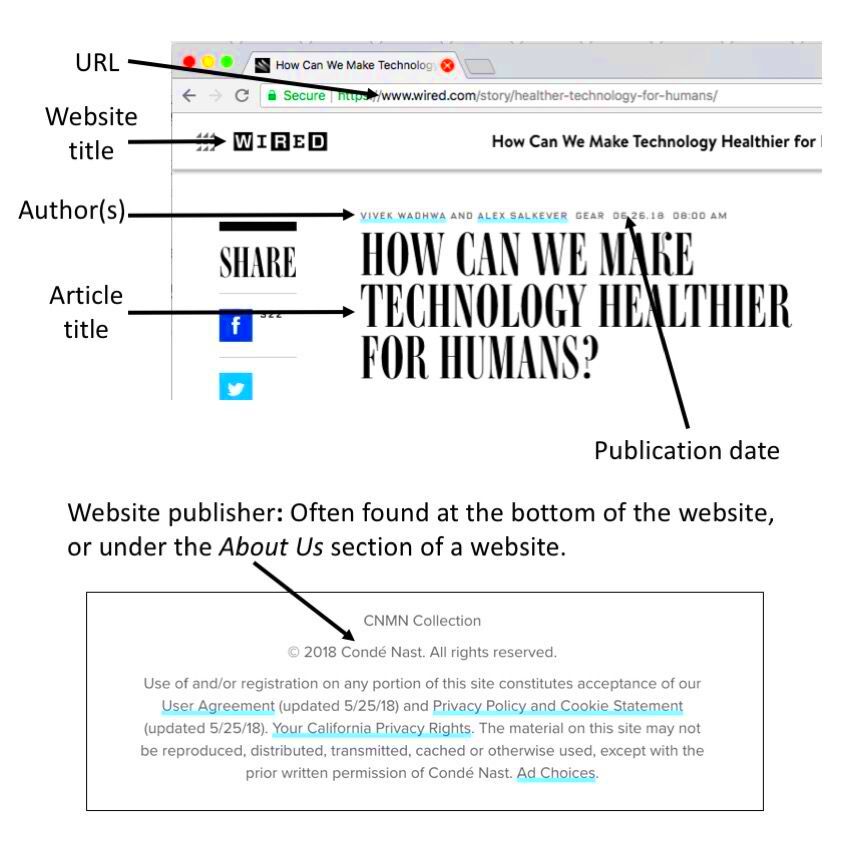
Behance is a platform where artists, designers, and other creatives share their portfolios. When you find a project you want to cite, it’s crucial to know how to do it correctly. Here’s a simple breakdown:
- Author Name: Always start with the name of the creator.
- Project Title: Include the title of the project.
- Publication Date: Note when the project was published.
- URL: Provide the link to the specific Behance project.
By following this format, you ensure that your citation is clear and informative. This helps your audience find the original work and understand its context.
Also Read This: Creative Ideas for Incorporating Imago Images into Your Next Presentation
Steps to Properly Cite Behance Projects

Citing a Behance project doesn’t have to be complicated. Here’s a straightforward process to follow:
- Identify the Project: Go to the Behance page of the project you wish to cite.
- Gather Information: Collect the necessary details: author, project title, date, and URL.
- Choose Your Citation Style: Depending on your needs, select a citation style (like APA, MLA, or Chicago).
- Format Your Citation: Use the following structure as a guideline:
| Format | Example |
|---|---|
| APA | Author Last Name, First Initial. (Year). Project Title. Retrieved from URL |
| MLA | Author Last Name, First Name. "Project Title." Behance, Year, URL. |
Finally, review your citation to make sure all information is accurate. By following these steps, you can confidently cite any Behance project in your work!
Also Read This: How to Change Thumbnail on Behance Updating the Preview Image for Your Projects
Common Mistakes to Avoid When Citing

Citing sources might seem straightforward, but there are some common pitfalls that many people fall into. Avoiding these mistakes can enhance the quality of your work and ensure you give proper credit to creators on Behance.
Here are some mistakes to watch out for:
- Forgetting to Cite: One of the biggest errors is not citing at all. Always remember to give credit, even if you think it’s obvious where the idea came from.
- Incorrect Author Names: Double-check the spelling of the creator’s name. Incorrect names can mislead your audience and show a lack of attention to detail.
- Missing Publication Dates: Failing to include the publication date can confuse readers. Always try to find this information, as it adds context to the work.
- Using Outdated Citation Styles: Citation formats can change over time. Make sure you’re using the most recent guidelines for your chosen style.
- Not Including the URL: Forgetting the link to the project can make it hard for readers to find the original work. Always provide a direct URL.
By steering clear of these common mistakes, you can make your citations more effective and professional. Remember, good citations reflect your commitment to quality and respect for other creators.
Also Read This: How to Cut Your Hair at Home with Dailymotion Tutorials for Beginners
Benefits of Citing Behance for Your Work
Citing projects from Behance comes with several advantages that can elevate your own work. Here are some key benefits:
- Enhances Credibility: When you cite reliable sources, it boosts your credibility. It shows that you’ve done your homework and are informed about your topic.
- Builds Connections: Citing others' work can lead to networking opportunities. When you give credit, creators may notice your work and even reach out.
- Encourages Collaboration: Acknowledging others can open doors for collaboration. It shows that you appreciate their contributions and can lead to exciting projects.
- Improves Research Skills: Learning to cite properly enhances your research skills. It teaches you how to find and use sources effectively.
- Prevents Plagiarism: Citing helps you avoid unintentional plagiarism, which can harm your reputation. Giving credit protects your integrity as a creator.
In summary, citing Behance projects not only respects the original creators but also enriches your own work. It's a win-win for everyone involved!
Also Read This: Rhea Ripley's Performance and Highlights in the Royal Rumble
Tools to Help with Citing Behance
There are several tools and resources available to make citing Behance projects easier. Here’s a list of helpful tools you can use:
- Citation Generators: Tools like EasyBib and Citation Machine can automatically generate citations in various formats. Just input the necessary information, and they do the rest!
- Reference Management Software: Programs like Zotero and EndNote allow you to organize your citations and create bibliographies. They can help you manage large projects efficiently.
- Online Guides: Websites like Purdue OWL provide comprehensive guides on different citation styles. These resources can clarify any questions you might have about formatting.
- Browser Extensions: Some browser extensions can help you save citations directly from websites. Look for options that work well with Behance to streamline your process.
- Writing Assistants: Tools like Grammarly can help check your writing for citation errors and ensure your formatting is correct.
By using these tools, you can simplify the citation process and focus more on your creative work. Remember, a well-cited project not only looks professional but also shows your respect for the creative community.
Also Read This: Setting an Order Minimum in ShootProof for Your Gallery
Examples of Citing Behance in Different Formats
Citing Behance projects can vary depending on the citation style you're using. Understanding these differences is essential for ensuring that your references are correct and clear. Here are examples of how to cite a Behance project in some common formats:
| Citation Style | Format | Example |
|---|---|---|
| APA | Author Last Name, First Initial. (Year). Project Title. Retrieved from URL | Smith, J. (2022). Modern Graphic Design. Retrieved from https://www.behance.net/example |
| MLA | Author Last Name, First Name. "Project Title." Behance, Year, URL. | Smith, John. "Modern Graphic Design." Behance, 2022, https://www.behance.net/example. |
| Chicago | Author Last Name, First Name. "Project Title." Behance. Year. URL. | Smith, John. "Modern Graphic Design." Behance. 2022. https://www.behance.net/example. |
By using these formats, you ensure that your citations are not only accurate but also consistent. Make sure to check the latest guidelines for your chosen style, as they can occasionally change. Being clear and precise in your citations shows respect for the original creators and enhances your work's professionalism.
Also Read This: How to Use Nunchucks for Beginners
FAQ About Citing Behance
It's natural to have questions when it comes to citing sources, especially from platforms like Behance. Here are some frequently asked questions to help clarify the process:
- Why should I cite Behance projects? Citing shows respect for the original creators and helps you avoid plagiarism.
- What information do I need to cite a Behance project? You'll need the author's name, project title, publication date, and URL.
- Can I use images from Behance in my work? Yes, but always ensure you have permission and provide proper citation.
- What if the publication date is missing? If you can't find a date, you can use "n.d." (no date) in your citation.
- How do I choose the right citation style? It depends on your field of study or publication. Check your institution’s guidelines to find out which style is preferred.
These FAQs can guide you through the citing process, making it easier to navigate any challenges you might face. Don’t hesitate to reach out for more information if you have specific concerns.
Conclusion and Final Thoughts
Citing Behance projects is a vital part of any creative endeavor. By giving credit to the original creators, you not only uphold the standards of academic and professional integrity but also foster a respectful community of artists and designers. Remember to follow the proper formats and guidelines, and utilize the tools available to streamline your citation process.
As you move forward, keep in mind that the more you practice citing correctly, the easier it will become. Each citation you make strengthens your own work and builds connections with fellow creators. So, whether you’re sharing ideas, collaborating on projects, or simply learning from others, always take the time to cite your sources.
By doing this, you’re not just protecting yourself from plagiarism; you’re contributing to a culture of respect and creativity in the design community. Happy creating!