

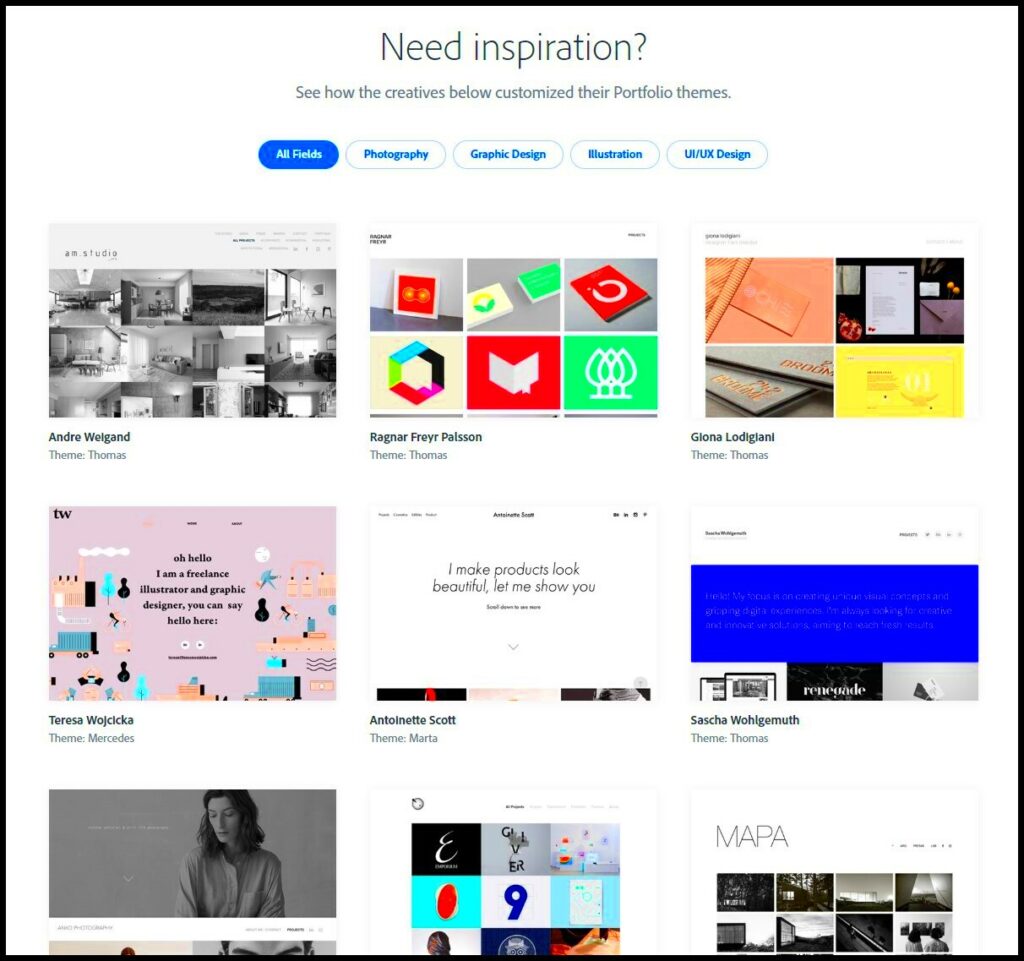
Creating a portfolio on Behance is a great way to showcase your creative work. It allows you to present your projects to a global audience and connect with other artists and potential clients. A well-crafted portfolio can open doors to job opportunities and collaborations. Let’s explore how to build an effective Behance portfolio that truly reflects your skills and creativity.
Choosing the Right Projects for Your Portfolio
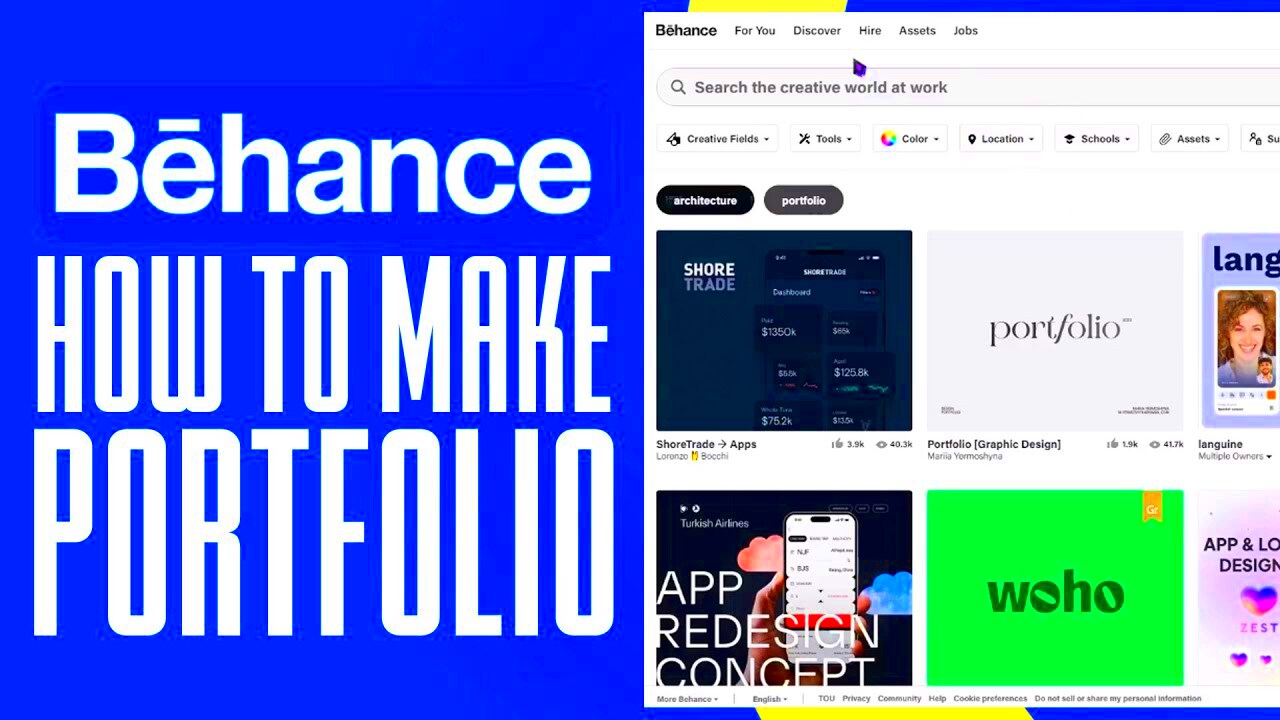
Selecting the right projects for your Behance portfolio is crucial. Here are some tips to help you make the best choices:
- Showcase Variety: Include a range of projects that demonstrate your skills across different mediums and styles. This variety can attract a wider audience.
- Highlight Your Best Work: Choose projects that you are most proud of and that received positive feedback. Quality matters more than quantity.
- Tailor to Your Audience: Think about who will view your portfolio. Select projects that will appeal to potential clients or collaborators in your field.
- Include Personal Projects: Personal projects often reflect your passion and creativity. Don’t hesitate to include them if they showcase your skills effectively.
By carefully selecting your projects, you can create a portfolio that leaves a lasting impression.
Also Read This: How to Retrieve a Drawing You Purchased from iStock
Designing an Attractive Portfolio Layout
The layout of your Behance portfolio plays a significant role in how your work is perceived. A clean, attractive design can enhance the viewer's experience. Here are some key points to consider:
- Choose a Simple Design: Avoid clutter. A simple, clean layout helps your work stand out.
- Organize Projects Logically: Group similar projects together or arrange them by themes. This makes it easier for viewers to navigate your portfolio.
- Use Consistent Branding: Incorporate your personal brand elements, like colors, fonts, and logos, to create a cohesive look.
- Utilize White Space: Don’t be afraid of empty space. It helps to highlight your work and gives the portfolio a professional look.
- Responsive Design: Ensure your portfolio looks good on all devices, including tablets and smartphones.
By focusing on these aspects, you can create a portfolio layout that not only showcases your work but also makes a strong visual impact.
Also Read This: How to Check if You Have LinkedIn Premium
Writing Effective Project Descriptions
Writing clear and engaging project descriptions is essential for your Behance portfolio. A well-crafted description not only informs viewers about your project but also highlights your creative process and skills. Here are some tips to help you write effective descriptions:
- Start with a Hook: Begin with an interesting statement or question to grab the viewer's attention. For example, share what inspired the project or a unique challenge you faced.
- Explain Your Process: Describe how you approached the project. Include the tools and techniques you used, as this can showcase your expertise.
- Discuss the Outcome: Talk about the final result. What were the goals, and did you achieve them? Include any feedback or results that demonstrate the project’s success.
- Use Clear Language: Write in a conversational tone, and avoid jargon. Make your descriptions easy to understand for a broad audience.
- Add Keywords: Incorporate relevant keywords related to your work. This can help your projects show up in searches on Behance.
Remember, your project description is an opportunity to tell your story. Make it personal and engaging to connect with your audience.
Also Read This: From DIY to Gaming: Exploring Imgur’s Diverse Content Landscape
Using High-Quality Images and Media
Visuals are the heart of your Behance portfolio. High-quality images and media can significantly enhance the appeal of your projects. Here are some tips for using images effectively:
- Use High Resolution: Always upload high-resolution images. Blurry or pixelated pictures can make your work look unprofessional.
- Showcase Different Angles: Include multiple images of your project. Show different angles or stages of the work to give viewers a comprehensive view.
- Incorporate Videos: If possible, add videos that demonstrate your process or the functionality of a project. This can create a more dynamic experience.
- Use Contextual Images: Include images that show your work in context. For example, if you designed a poster, show it being used in a real-life setting.
- Maintain Consistency: Ensure your images have a consistent style and color palette. This helps create a cohesive look throughout your portfolio.
By focusing on high-quality visuals, you can captivate your audience and showcase your talent effectively.
Also Read This: Imago Images for Social Media Tips to Make Your Posts Shine
Promoting Your Behance Portfolio
Once your Behance portfolio is ready, it’s time to promote it! Here are some effective ways to get your work noticed:
- Share on Social Media: Use platforms like Instagram, Twitter, and LinkedIn to share your projects. Include a link to your Behance portfolio in your bio.
- Join Creative Communities: Participate in online forums and groups related to your field. Share your portfolio and engage with others to expand your network.
- Collaborate with Others: Team up with other creatives on projects. This can expose your work to new audiences and help build valuable connections.
- Engage with Other Behance Users: Follow and comment on other users’ work. Building relationships in the community can lead to more visibility for your portfolio.
- Utilize SEO Techniques: Optimize your project descriptions and tags with relevant keywords to help your work appear in search results.
By actively promoting your portfolio, you can increase your visibility and attract more opportunities in your creative career.
Also Read This: Canceling Depositphotos: A Step-by-Step Guide
Staying Active and Engaging with the Community
Being part of the Behance community is more than just posting your work; it's about interacting and connecting with other creatives. Staying active can help you gain exposure and learn from others. Here are some tips to keep you engaged:
- Regularly Update Your Portfolio: Keep your portfolio fresh by adding new projects regularly. This shows your growth and keeps viewers interested.
- Comment on Other Projects: Take time to comment on other users' work. Genuine feedback can foster relationships and encourage others to check out your portfolio.
- Participate in Challenges: Join Behance challenges to push your creative boundaries. These events often attract attention from other users and can lead to new connections.
- Follow Creatives You Admire: Follow fellow artists and designers whose work inspires you. Engaging with their content can spark conversations and collaborations.
- Share Insights: Don’t hesitate to share your knowledge. Whether it’s tips on a technique or insights into your creative process, sharing can establish you as a valuable member of the community.
Engaging actively with the Behance community not only builds your network but also enhances your learning experience.
Also Read This: Mastering Elegant Updo Hairstyles with Dailymotion Tutorials
Frequently Asked Questions
Here are some common questions people have about creating and managing a Behance portfolio:
- How many projects should I include in my portfolio? Aim for 5 to 10 quality projects that showcase your best work and variety.
- Can I update my projects later? Yes, you can edit your project descriptions, images, and media at any time to keep your portfolio current.
- Is it important to have a consistent style? Yes, a consistent style helps create a cohesive look, making your portfolio feel professional and polished.
- How can I get more views on my projects? Share your projects on social media, engage with the community, and use relevant keywords to improve search visibility.
- What should I do if I receive negative feedback? Take it constructively. Use it as an opportunity to grow and improve your work.
Addressing these common concerns can help you navigate the Behance platform more effectively.
Conclusion on Behance Portfolio Creation Tips
Creating a standout portfolio on Behance requires effort and dedication, but the rewards are worth it. By choosing the right projects, writing engaging descriptions, using high-quality visuals, and actively participating in the community, you can build a portfolio that truly reflects your skills and creativity. Remember to promote your work, stay engaged, and keep learning from others. With these tips, you’ll be well on your way to making your mark in the creative world!