
If you’re stepping into the world of baking, understanding your tools is crucial. Gas ovens are a popular choice among both novice and seasoned bakers alike. They offer quick heat, even cooking, and often retain moisture better than electric ovens. This guide will help you navigate your gas oven, ensuring you achieve perfectly baked goods every time!
Understanding the Basics of Baking
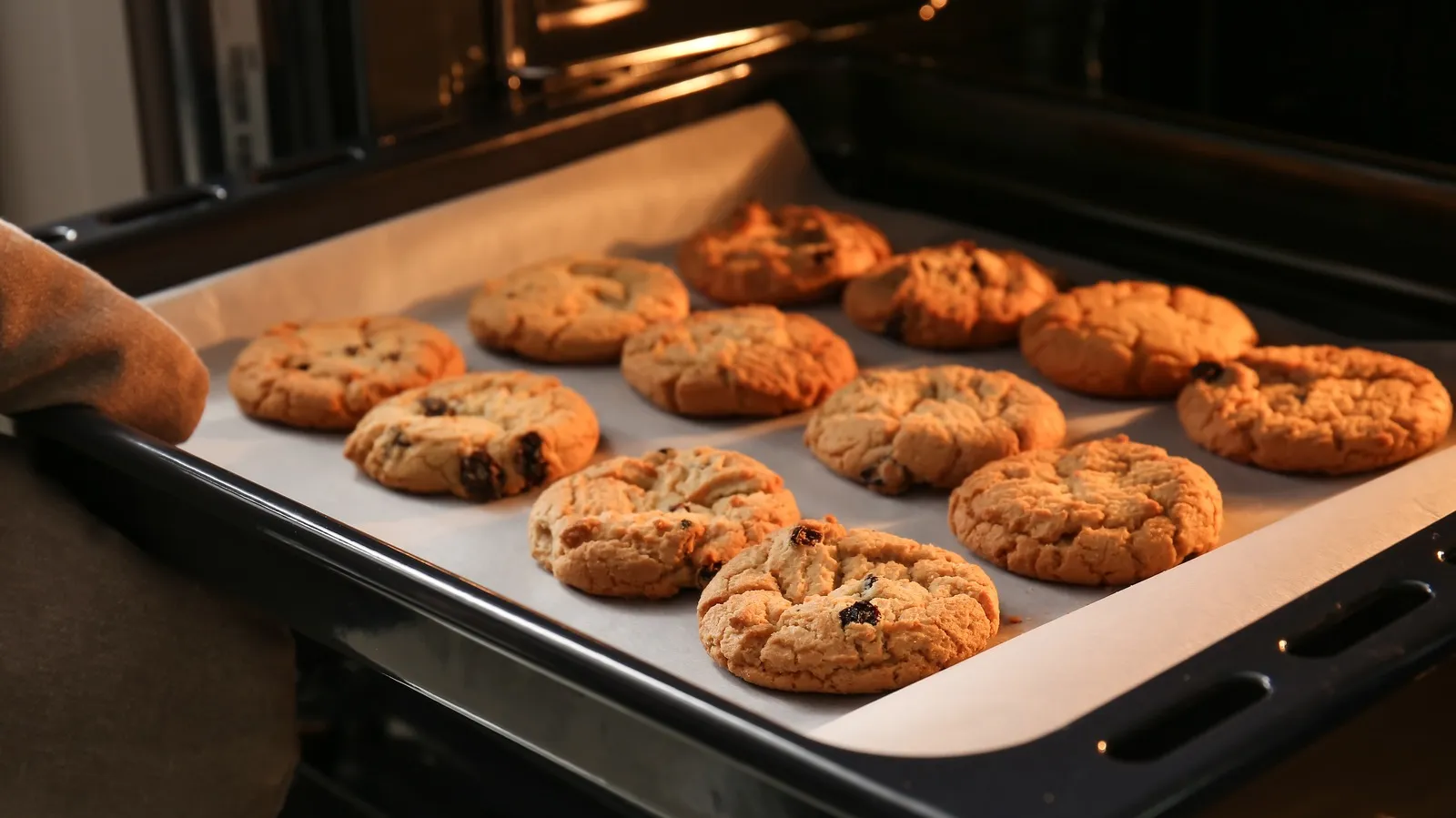
Baking is as much a science as it is an art. To get the best results, you need to know the fundamentals. Here are some key aspects to understand:
- Ingredients Matter: The quality and type of ingredients you use can greatly impact your baked goods. Always opt for fresh ingredients like flour, baking powder, and dairy products.
- Measurement is Key: Accurate measurements are vital. Consider using a kitchen scale for precision. For example, 1 cup of flour can vary significantly if scooped versus spooned.
- Oven Temperature: Gas ovens typically heat up quickly and may have hot spots. Using an oven thermometer can help you monitor the actual temperature, ensuring you bake at the correct setting.
- Timing: Baking is all about timing. Each item has its specific baking time. For instance, cookies may take 8-12 minutes while cakes can take 25-35 minutes.
Remember, practice makes perfect! Each batch you bake helps you learn and refine your skills. So, don’t be afraid to experiment a little. Happy baking!
3. Setting Up Your Gas Oven
Getting your gas oven ready for baking is the first crucial step toward delicious outcomes. Here’s how to set it up properly:
- Check the Oven’s Condition: Before you start, make sure your oven is clean and in good working order. A clean oven promotes even baking.
- Placement: Ensure that your oven is placed in a well-ventilated area. If it’s built-in, make sure there’s enough space around it for air circulation.
- Racks Positioning: Adjust your oven racks according to what you plan to bake. For cookies, the middle rack is ideal, while for cakes, the bottom or middle works well. Refer to this quick guide:
| Item | Ideal Rack Position |
|---|---|
| Cookies | Middle |
| Cakes | Bottom or Middle |
| Breads | Middle |
Lastly, familiarize yourself with the controls and features of your gas oven. Understanding how to adjust the temperature and use the different modes can make a big difference in your baking results!
4. Preheating Your Gas Oven
Preheating is a vital step that many beginners often overlook. Why is it necessary? Preheating ensures that your oven reaches the desired temperature before you introduce your batter or dough, which is crucial for proper baking.
Here’s how to preheat your gas oven:
- Turn It On: Set your oven to the required temperature as specified in your recipe. Most gas ovens have a dial or digital display to adjust the temperature easily.
- Wait for the Indicator: Many modern ovens come with a preheat indicator light. Wait until this light goes off before you put your items in.
- Use an Oven Thermometer: If you want to be precise, consider using an oven thermometer. Gas ovens can sometimes have temperature inconsistencies, and a thermometer can help you ensure accuracy.
Typically, preheating takes about 10-15 minutes. Patience is key! Rushing this step can lead to unevenly baked goods, so give your oven the time it needs to reach that perfect baking temperature.
5. Temperature Control and Baking Settings
Getting the temperature right is crucial for baking success. Gas ovens are unique in how they distribute heat, which can make a big difference in your baked goods. Unlike electric ovens, gas ovens tend to heat up quickly and may also have hot spots. Here are some tips to help you master temperature control:
- Preheating: Always preheat your oven before baking. This helps create the right environment for your baked goods. Aim for at least 15-20 minutes of preheating.
- Using an Oven Thermometer: Invest in an oven thermometer to check the actual temperature inside your oven. This is especially important for gas ovens, as they can sometimes be off by several degrees.
- Adjusting the Flame: Gas ovens allow you to adjust the flame. If you notice uneven baking, try turning down the flame slightly to achieve a more consistent temperature.
- Convection vs. Conventional: If your gas oven has a convection setting, use it for more even heat distribution. Convection ovens circulate hot air, which can help bake goods faster and more evenly.
Keep an eye on your baked goods as they cook. Since gas ovens can have hot spots, it’s a good idea to rotate your pans halfway through baking. This simple step can prevent one side from browning too much!
6. Choosing the Right Bakeware
The type of bakeware you use can significantly impact your baking results. Choosing the right materials, shapes, and sizes can help you achieve perfectly baked cookies, cakes, and breads. Here’s how to select the best bakeware:
- Material Matters: Opt for heavy-duty metal pans for even heat conduction. Glass and ceramic are also great but may require slight adjustments in baking times.
- Shape and Size: Ensure your bakeware fits comfortably in your oven. For instance, avoid using oversized pans in smaller gas ovens, as they may block heat circulation.
- Non-Stick vs. Regular: Non-stick bakeware can be convenient, but regular pans often yield better browning. If you use non-stick, consider lowering the oven temperature by about 25°F.
- Cookie Sheets and Muffin Tins: Look for heavy-duty cookie sheets that can withstand high heat without warping. Muffin tins should have a non-stick surface for easy release.
Remember, the right bakeware can make all the difference in achieving that sought-after golden brown finish and perfect texture!
Techniques for Perfect Baking
Baking with a gas oven can be a delightful experience, especially when you master a few essential techniques. Here are some tips that can transform your baking game:
- Preheat Your Oven: Always preheat your gas oven before you start baking. This ensures that your baked goods rise properly and cook evenly. Aim for at least 10-15 minutes of preheating.
- Use an Oven Thermometer: Gas ovens can sometimes be misleading when it comes to temperature. Invest in an oven thermometer to verify that your oven is at the correct temperature.
- Rotate Your Pans: Midway through baking, give your pans a little spin. Gas ovens can have hot spots, and rotating your pans helps ensure even browning.
- Know Your Baking Times: Always refer to your recipe for baking times, but keep an eye on your treats as they bake. Depending on your oven’s quirks, you may need to adjust the time.
- Use the Right Bakeware: Glass and metal pans react differently in a gas oven. For instance, glass pans can cook faster, so you might want to cut down your baking time by a few minutes.
By incorporating these techniques into your baking routine, you’ll be well on your way to creating delicious baked goods every time!
Common Baking Mistakes with Gas Ovens
Even the best bakers can encounter pitfalls when using a gas oven. Here are some common mistakes and how to avoid them:
| Mistake | Solution |
|---|---|
| Not Preheating the Oven | Always allow your oven to fully preheat before placing your items inside. |
| Opening the Oven Door Too Often | Resist the urge to peek! Opening the door can cause temperature fluctuations. |
| Incorrect Oven Racks Positioning | Use the middle rack for most baking. This allows for better air circulation. |
| Ignoring Recipes | Follow your recipe closely the first time; adjustments can come later. |
| Using Cold Ingredients | Ensure ingredients like eggs and butter are at room temperature unless specified otherwise. |
Recognizing these common mistakes can help you troubleshoot your baking process and ensure that your gas oven is your best baking friend!
Cleaning and Maintaining Your Gas Oven
Keeping your gas oven clean is essential not just for hygiene but also for ensuring optimal performance. A clean oven means better heat distribution and fewer flare-ups. Here’s how you can keep your oven in tip-top shape:
- Regular Wipe-Downs: After each use, let your oven cool, then wipe down the interior with a damp cloth to remove spills and crumbs.
- Deep Cleaning: Aim for a deep clean every few months. Use a commercial oven cleaner or a mixture of baking soda and water, applying it to the interior and letting it sit before scrubbing.
- Check the Burners: Ensure the burners are clean and free from food particles. A clogged burner can lead to uneven cooking.
- Inspect Door Seals: The door seals should be tight. If you notice any gaps, replace them to maintain heat efficiency.
- Clean the Racks: Remove the oven racks and soak them in warm soapy water. Scrub off any residue and rinse thoroughly.
Remember, a well-maintained oven not only cooks better but also extends the life of your appliance. Make cleaning a part of your baking routine for consistently delicious results!
Conclusion: Mastering Gas Oven Baking
Congratulations on embarking on your gas oven baking journey! Mastering the use of a gas oven opens up a world of culinary possibilities. Here are some final tips to keep in mind:
- Be Patient: Baking is as much about timing as it is about technique. Give yourself grace to experiment and learn.
- Know Your Oven: Each oven has its quirks. Spend some time getting to know the hot spots and cooling zones in your gas oven.
- Practice Makes Perfect: Don’t hesitate to try different recipes. Each success and failure will teach you something new!
With practice, you’ll find baking with a gas oven not only enjoyable but also rewarding. Whether it’s cookies, bread, or cakes, with these tips, you’ll be well on your way to creating perfectly baked goods. Now, preheat that oven and happy baking!